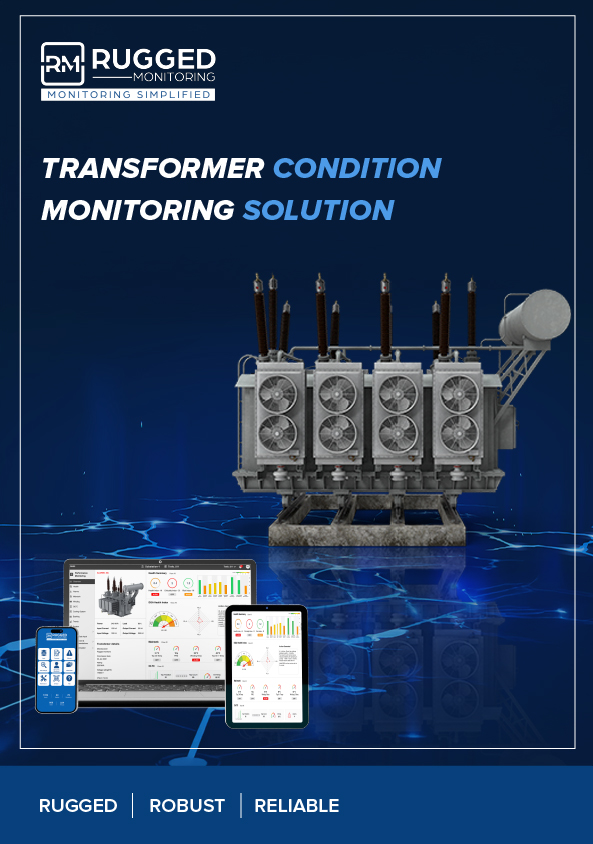
Transformer condition monitoring is necessary as Transformers are critical electrical assets responsible for the safe and reliable transmission and distribution of power from the grid to end-users. They operate continuously under harsh and extreme conditions, which reduces their efficiency and lifespan over time. The consequences of reduced health led to catastrophic failures and unplanned downtime, which in turn affect the entire grid’s operations. A power transformer can fail due to:
Electrical- short circuits, open circuits
Dielectric- partial discharges
Thermal- overheating, hotspots.
Chemical- corrosion, gas & oil contamination
According to the report published by CIGRE on Transformer Reliability 2024, major transformer faults occur within these critical transformer components:
Bushings
Windings
Tap Changers
Insulation System or Dielectric Design
Transformer Core & Tank
Download Brochure to Explore More
Download Brochure to Explore More
Why Traditional Monitoring Systems Fail?
Traditional monitoring systems rely on time-based inspections, which often fail to identify minor issues that develop in critical components over time, leading to catastrophic failures. These inspections also rely on manual methods, increasing the risk of human error and resulting in inadequate data to measure the severity of faults accurately.
Furthermore, they fail to predict the probability of faults recurring and within what timeframe. Such inadequacy contributes to financial losses, unreliable asset downtime, and interrupted grid operations.
Connect with Our Expert
Have questions or need more information? Reach out to us for reliable Rugged Monitoring solutions.