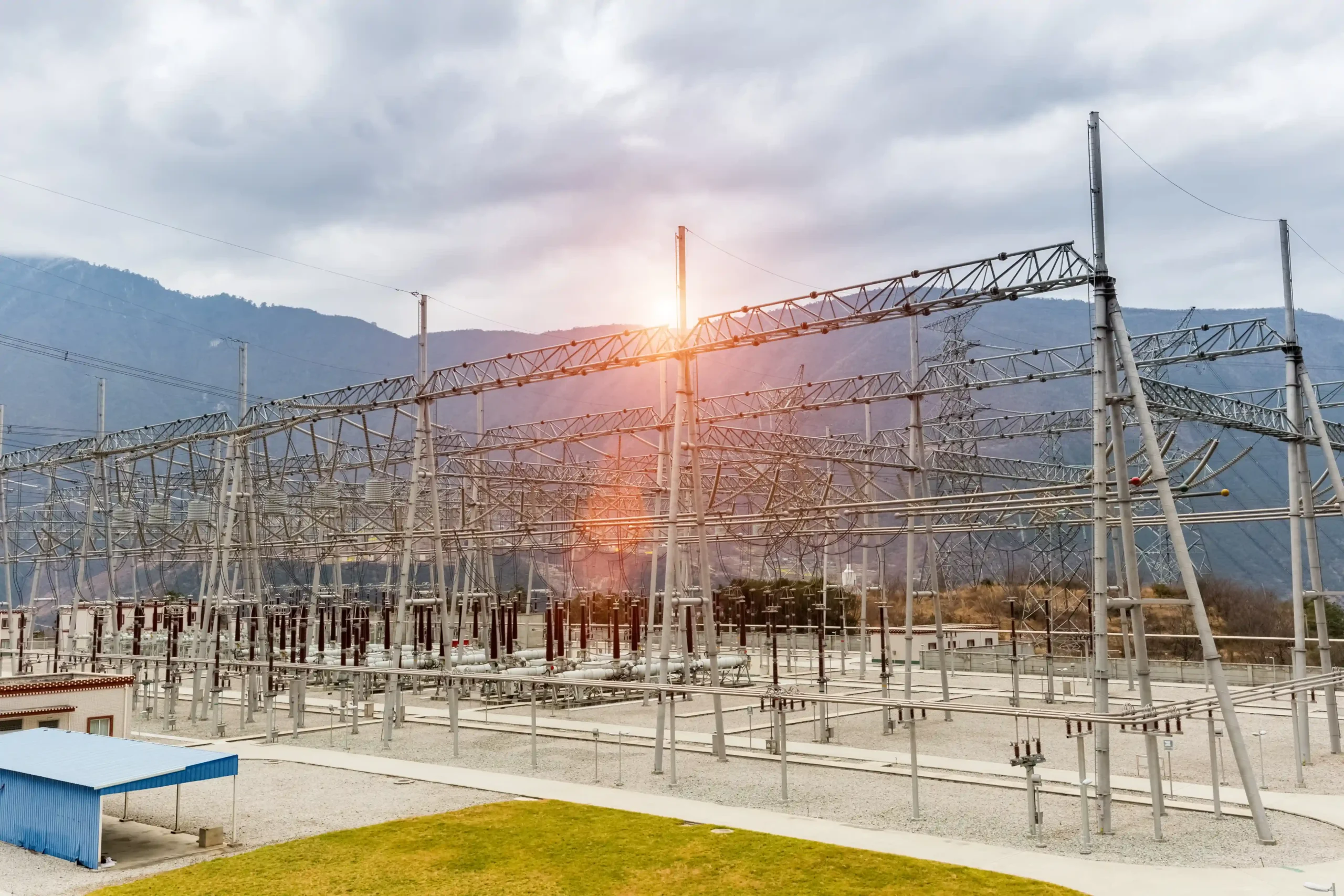
In the first part of the series, we explored the integral role of SF6 monitoring in substation monitoring. As power systems evolve toward digital, intelligent, and highly automated networks, substations are increasingly expected to deliver higher reliability, operational visibility, and environmental accountability. Traditional monitoring approaches, which relied heavily on periodic inspections and manual gas checks, are no longer sufficient to support the operational demands of modern grids.
Digital substations require continuous, data-driven insights into asset health, enabling utilities to detect anomalies early, optimize maintenance strategies, and maintain uninterrupted power delivery. In this transition toward smarter infrastructure, SF6 monitoring plays a crucial role in enabling grid digitalization.
Rather than functioning as standalone diagnostic tools, modern SF6 monitoring systems are becoming integral components of digital asset monitoring ecosystems, contributing real-time data to support predictive maintenance, asset performance management, and grid-wide operational intelligence.
The Role of Digitalization in SF6 Monitoring
Historically, SF6 monitoring relied on manual density gauges, periodic inspections, and alarm contacts embedded in equipment. While these methods provided basic operational alerts, they offered limited visibility into the evolving health of SF6 -insulated assets.
Digitalization changes this paradigm by enabling continuous SF6 gas health monitoring through connected sensors and intelligent analytics platforms.
Modern IoT-enabled SF6 monitoring systems for substations capture real-time measurements of parameters such as gas density, pressure, temperature, and moisture. These measurements are transmitted through digital communication networks to centralized monitoring systems where they are analyzed continuously.
This shift enables utilities to move from reactive maintenance models to proactive and predictive strategies, improving both operational reliability and maintenance efficiency.
How to ensure grid digitalization through SF6 monitoring?
As grid digitalization continues to evolve, advanced technologies such as artificial intelligence, edge analytics, and digital twins will further enhance SF6 monitoring capabilities.
Future power networks will be expected to:
- AI-driven anomaly detection to identify early failure patterns
- Predictive modeling of gas behavior under varying load conditions
- Automated emission tracking and environmental reporting
- Integration with digital twin models of substation assets
These innovations will transform SF6 monitoring from a basic diagnostic tool into a strategic component of intelligent grid management.
-
Integrate SF6 Monitoring into Digital Substation Architectures
Digital substations are designed around interconnected monitoring systems that collect, analyze, and visualize asset health data across multiple equipment types. Within this architecture, SF6 monitoring is one layer of a broader condition-monitoring ecosystem.
Instead of operating in isolation, SF6 monitoring systems can now integrate with:
-
- Substation automation systems
- SCADA platforms
- Asset Performance Management (APM) platforms
- Enterprise Asset Management Systems
- Grid analytics platforms
By integrating SF6 monitoring with condition monitoring systems, utilities gain a more comprehensive view of equipment health across the substation.
For example, changes in gas density in a circuit breaker can be correlated with operational switching events, temperature variations, or environmental conditions. This type of cross-parameter analysis improves fault detection and enables more informed operational decisions.
-
Enable Predictive Maintenance Through Data Analytics
One of the most significant contributions of digital SF6 monitoring systems is their ability to support predictive maintenance programs.
Traditional alarm-based monitoring only alerts operators once a threshold has been exceeded. However, digital systems allow utilities to monitor gas condition trends over time, enabling early detection of developing issues.
Through trend-based SF6 monitoring and analytics, operators can identify patterns such as:
-
- Gradual gas leakage across seals or flanges
- Progressive density loss across equipment compartments
- Temperature-driven pressure fluctuations
- Long-term gas degradation indicators
By analyzing these trends, utilities can predict when maintenance intervention will be required, allowing repairs to be scheduled during planned outages rather than emergency conditions.
This predictive capability significantly reduces operational risk and helps utilities optimize maintenance resources.
-
Improve Operational Visibility with Monitoring Dashboards
Another key aspect of grid digitalization is the ability to visualize asset health data in real time. Modern monitoring platforms provide intuitive dashboards that present SF6 system health in a clear and actionable format.
SF6 monitoring dashboards and data visualization tools allow operators to:
-
- Monitor gas conditions across multiple substations simultaneously
- Identify abnormal trends or leak patterns quickly
- Track gas density and temperature compensation in real time
- Receive prioritized alerts based on operational risk
These dashboards transform large volumes of sensor data into actionable operational intelligence, enabling faster and more informed decision-making.
-
Enable Remote Monitoring and Substation Automation
Digital grid infrastructures increasingly rely on remote asset monitoring, especially in geographically dispersed transmission networks.
IoT-enabled SF6 monitoring systems enable utilities to monitor gas conditions without requiring physical inspections at substations. This capability offers several operational benefits:
-
- Reduced need for manual field inspections
- Faster detection of abnormal conditions
- Improved response time to emerging faults
- Lower operational costs for maintenance teams
Remote monitoring is particularly valuable for unmanned substations and remote grid locations, where on-site inspections may be infrequent.
How does SF6 monitoring support environmental monitoring and emissions management?
As utilities pursue sustainability goals and face increasing environmental regulation, digital SF6 monitoring systems also play a critical role in emissions tracking.
Regulatory bodies in many regions now require utilities to report:
- Total SF6 inventory
- Annual emissions
- Leak detection and repair records
- Gas handling activities
By integrating SF6 emissions monitoring and reporting capabilities into digital monitoring systems, utilities can automatically track gas losses and generate accurate compliance reports.
This not only simplifies regulatory reporting but also helps utilities implement more effective SF6 leak-detection best practices for electrical assets, contributing to environmental responsibility.
The Future of SF6 Monitoring in Digital Power Networks
SF6 monitoring is no longer limited to detecting gas leaks or maintaining equipment pressure. In modern substations, it has become a critical data source that supports grid digitalization, predictive maintenance, and intelligent asset management.
By integrating IoT-enabled monitoring, advanced analytics, and digital monitoring platforms, utilities can gain continuous insight into the health of SF₆-insulated equipment across the substation.
This digital approach enables utilities to improve operational reliability, reduce environmental impact, and optimize long-term asset management strategies.
As the power sector continues its transition toward smarter and more connected grids, SF6 monitoring will remain a foundational element of digital substation infrastructure.