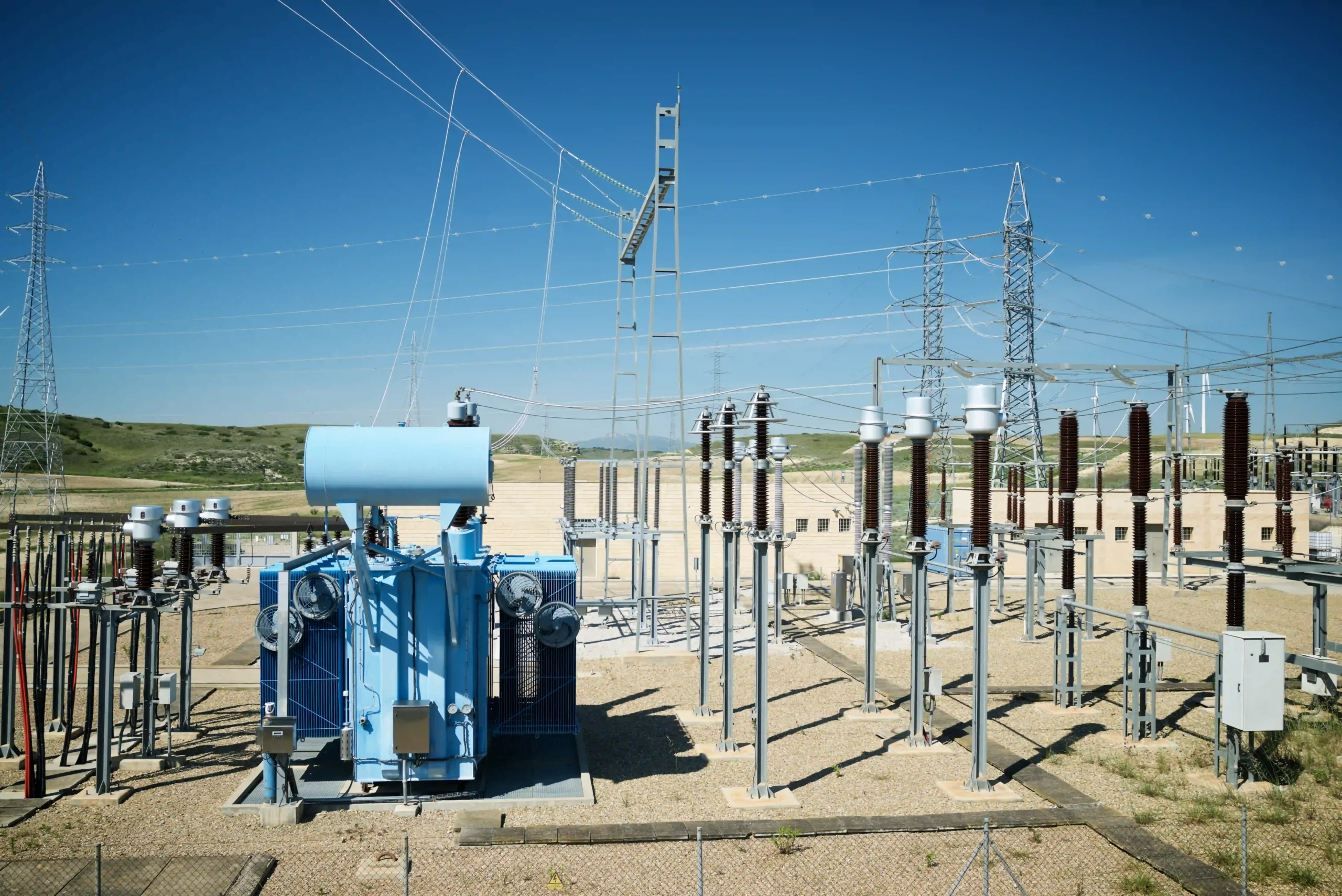
Power Transformers operate across the electrical network to transfer between different voltage levels, enabling efficient transmission from generation sources to end users. By stepping voltage up for long-distance transmission and down for safe distribution, they support stable power flow across the grid under varying load and operating conditions. As a result, their performance directly influences system reliability and continuity of supply. Over time, however, this performance is affected by operating conditions.
During operation, tare exposed to electrical, thermal, and environmental stress, which gradually affects insulation and internal components. As this degradation develops, changes in temperature, insulation condition, and electrical activity may not be immediately visible without continuous monitoring.
A clear understanding of how power transformers work, along with transformer construction, component behavior under stress, and early signs of degradation, plays a key role in maintaining reliability and planning maintenance effectively.
What Are the 12 Key Components of a Power Transformer and Their Failure Modes?
A power transformer is not a single unit but a system of interconnected components, each playing a role in energy transfer, insulation, and thermal management. The condition of these components directly influences transformer performance, and most transformer failure modes originate from the gradual degradation of one or more of these elements.
Understanding how each component functions and the types of transformer failures and causes help in identifying early warning signs and applying effective transformer failure prevention methods.
-
Core
The core forms the magnetic circuit of the transformer, enabling energy transfer between windings through magnetic flux. It is constructed from laminated silicon steel to reduce eddy current losses and improve efficiency. The condition of the core plays a significant role in determining overall efficiency, as it directly affects magnetic flux distribution and energy losses.
Common failure modes and causes:
- Localized overheating due to core insulation damage or circulating currents
- Core vibration caused by loose clamping or mechanical stress
- Increased losses due to lamination degradation or shorted laminations
-
Windings
Windings carry electrical currents and are responsible for voltage transformation. They are subjected to continuous electrical loading and thermal stress, making them one of the most critical components in determining transformer reliability.
Common failure modes and causes:
- Insulation breakdown due to thermal aging
- Winding deformation caused by short-circuit forces
- Partial discharge activity due to insulation defects or voids
-
Transformer Tank
The tank encloses the core, windings, and oil. It provides structural strength and protects internal components from environmental exposure, thereby withstanding internal pressure changes and external conditions without leakage.
Common failure modes and causes:
- Oil leakage due to gasket failure or corrosion
- Structural deformation due to internal pressure buildup
- Contamination from external environmental exposure
-
Insulation Oil
Transformer oil acts as both an insulating medium and a cooling agent. It transfers heat away from internal components while maintaining dielectric strength, though its condition gradually changes over time due to oxidation, moisture ingress, and fault activity.
Common failure modes and causes:
- Oxidation leading to sludge formation and reduced heat transfer
- Moisture ingress reducing dielectric strength
- Gas generation due to internal faults (thermal or electrical)
-
Conservator Tank
The conservator is connected to the main tank and accommodates oil expansion and contraction due to temperature variations. It helps maintain a consistent oil level and reduces direct contact between the oil and ambient air, thereby limiting moisture entry.
Common failure modes and causes:
- Moisture ingress due to faulty sealing
- Oil contamination from external exposure
- Incorrect oil level leading to inadequate insulation or cooling
-
Breather
The breather controls the quality of air entering the transformer during its natural breathing process, which occurs as oil expands and contracts with load and temperature changes. It typically contains silica gel that absorbs moisture from incoming air, ensuring that only dry air enters the system and maintains the dielectric strength of the insulating oil. If the breather does not function properly, moisture can enter the transformer, leading to reduced insulation performance and accelerated aging.
Common failure modes and causes:
- Saturated silica gel allowing moisture ingress
- Blocked airflow affecting pressure balance
- Increased moisture content in oil due to ineffective filtration
-
Bushings
Bushings allow electrical conductors to pass safely through the grounded tank, providing insulation between internal high voltage conductors and external connections. However, over time, they are exposed to electrical stress, environmental conditions, and moisture ingress, which can lead to insulation degradation.
A notable example of bushing-related failure occurred at the North Hyde substation, which impacted Heathrow Airport. According to a case study on the North Hyde substation, moisture ingress in a high-voltage bushing was identified as the root cause of a catastrophic transformer failure. The incident led to a major fire and power loss affecting over 71,655 customers, including critical airport operations.
The investigation also revealed that early warning signs, including elevated moisture levels in the bushing, had been detected years earlier but were not acted upon. This highlights the importance of continuous bushing monitoring and timely intervention to prevent such failures.Common failure modes and causes:
- Insulation degradation due to electrical stress or aging
- Moisture ingress leading to reduced dielectric strength
- Partial discharge activity within the bushing insulation
-
Tap Changer (OLTC)
The on-load tap changer (OLTC) adjusts the transformer’s voltage ratio under operating conditions, allowing voltage regulation without interrupting the supply. Since it involves mechanical movement and switching, it is subject to wear and requires regular monitoring.
Common failure modes and causes:
- Contact wear due to repeated switching operations
- Arcing leading to oil contamination and carbon deposits
- Mechanical failure due to misalignment or lack of maintenance
-
Cooling System
The cooling system maintains operating temperature within acceptable limits. It includes radiators, fans, and sometimes pumps. Ineffective cooling can lead to increased hotspot temperatures, accelerating insulation aging.
Common failure modes and causes:
- Cooling failure due to fan or pump malfunction
- Blocked radiators reducing heat dissipation
- Overheating caused by ineffective cooling under high load
-
Buchholz Relay
The Buchholz relay is a protective device placed between the main tank and the conservator. It detects internal faults by sensing gas accumulation or sudden oil movement, providing early warning of issues such as insulation failure or winding faults.
Common failure modes and causes:
- Failure to detect faults due to improper installation or maintenance
- False operation due to external disturbances
- Lack of sensitivity to slow-developing faults
-
Explosion Vent
The explosion vent provides pressure relief during internal faults, preventing catastrophic tank rupture. It helps release internal pressure safely, reducing the risk of tank rupture and fire hazards.
Common failure modes and causes:
- Blocked or malfunctioning vent preventing pressure release
- Delayed operation under rapid fault conditions
- Improper maintenance leading to ineffective pressure relief
-
Temperature Indicators/Gauges
Temperature indicators measure oil and winding temperatures during operation, providing insight into thermal conditions and loading. However, abnormal temperature trends often indicate overloading or cooling inefficiency.
Common failure modes and causes:
- Inaccurate readings due to sensor malfunction
- Undetected overheating due to calibration issues
- Failure to respond to abnormal temperature rise
Each of these components contributes to the overall condition of a power transformer. Most transformer failure modes originate from the gradual degradation of insulation, mechanical structures, or cooling performance within these components. By understanding how these elements behave under stress and identifying early signs of deterioration, operators can apply effective transformer failure prevention methods and improve long-term reliability.
What Are Transformer Failure Prevention Methods?
Transformer Failures rarely occur without warning. Large-scale industry surveys by CIGRE show that overall transformer failure rates are typically below 1 percent per year, indicating that failures develop gradually over time rather than as sudden events. In addition, many power transformers remain in service for several decades, with nearly 50 percent operating for up to 50 years, reflecting the gradual progression of aging and degradation.
Preventing transformer failures requires a combination of continuous monitoring, controlled operation, and timely maintenance. Since most failures develop gradually under electrical, thermal, and environmental stress, early intervention is key to preventing major faults.
-
Maintain Controlled Loading and Thermal Conditions
Operating the transformer within its design limits is essential to prevent thermal stress. Avoiding sustained overloading and ensuring that the cooling system functions effectively helps maintain acceptable temperature levels. Monitoring hotspot temperature and oil temperature provides direct insight into thermal behavior and helps prevent accelerated insulation aging.
-
Ensure Effective Insulation Management
The condition of insulation largely determines transformer reliability. Maintaining oil quality, controlling moisture ingress, and limiting oxidation are critical for preserving dielectric strength. Regular testing and monitoring of insulation parameters help detect degradation before it leads to failure.
-
Detect Electrical Stress at an Early Stage
Early detection of electrical stress helps maintain insulation integrity and prevent internal faults. Monitoring parameters such as partial discharge activity and transient electrical behavior enables timely intervention before degradation progresses into failure. Continuous observation allows operators to respond to abnormal conditions and maintain stable operation.
-
Monitor Mechanical Condition of Internal Components
Maintaining the mechanical condition of internal components is important for reliable transformer operation. Monitoring vibration levels, winding stability, and tap changer performance helps identify early signs of wear, misalignment, or structural stress. This allows corrective actions to be taken before mechanical issues lead to internal damage.
-
Control Environmental Exposure
Managing environmental conditions helps preserve insulation performance and overall transformer health. Proper sealing, effective breather operation, and routine maintenance reduce the risk of moisture ingress and contamination. Controlling these factors supports long-term insulation reliability and stable transformer operation.
-
Implement Continuous Transformer Health Monitoring
A transformer monitoring system provides continuous visibility into key operating parameters. Tracking changes in temperature, insulation condition, gas formation, and electrical activity helps identify developing issues early. This enables a shift from reactive maintenance to condition-based decision-making.
-
Plan Maintenance Based on Asset Condition
Instead of relying only on periodic inspection, maintenance activities should be guided by actual asset condition. Trend analysis and historical data help determine when intervention is required, reducing unnecessary maintenance while preventing unexpected failures.
Preventing transformer failures is not dependent on a single action. It requires a structured approach that combines monitoring, maintenance, and operational control to manage stress and detect early signs of degradation.
What Is the Need for Monitoring?
Relying only on periodic inspection creates gaps between observations. During these intervals, operating conditions can change significantly, increasing the risk of undetected deterioration. This makes it difficult to assess the actual condition of the transformer at any given time.
Monitoring also supports better planning. Instead of reacting to failures, maintenance activities can be scheduled based on the actual condition of the asset. This reduces unplanned outages, improves reliability, and helps in managing long-term asset performance.
In practical terms, monitoring is not only about detecting faults. It is about understanding how the transformer operates under real conditions and identifying when its operation begins to deviate from expected behavior.
From Monitoring to Insight: Enabling Smarter Transformer Decisions
Monitoring is gradually shifting toward predictive maintenance, where trends and historical data are used to estimate remaining useful life and plan interventions in advance. Collecting data is only part of the process. Its value lies in interpreting and using it to support informed decisions. The growing adoption of digital platforms and IIoT technologies has improved the ability to monitor assets across multiple sites and integrate data from different sources. This approach allows operators to move away from reactive maintenance and reduce unplanned outages.
Modern transformer monitoring systems, such as RM EYE, combine sensors, edge devices, and analytics platforms to provide a continuous view of transformer conditions. These systems process signals, identify patterns, and generate alarms when defined limits are exceeded, enabling real-time analysis and improved visibility into asset performance.
Transformers are among the most important assets in the electrical network due to their high cost, lengthy replacement time, and significant role in power flow. In an increasingly complex grid environment, transformer monitoring is no longer optional but a necessary part of modern asset management. Effective transformer health monitoring helps improve system reliability, reduce operational risk, and support long-term performance of the power transformer. By recognizing common transformer failure modes, understanding component behavior, and applying effective monitoring practices, utilities and industries can improve asset reliability over time.
Looking to improve transformer visibility? Learn how Rugged Monitoring solutions support real-time transformer condition visibility and informed decision-making.