Why Utilities Need Digitalization in 2026 for Grid Modernization
The shift from digital adoption to digital maturity
Utilities have entered a defining decade for grid modernization. For years, power generation, transmission, and distribution followed a very predictable model. Power plants were centralized, energy flow was one-directional, and electricity patterns were stable. However, the current demand for reliable, continuous electricity is prompting utilities to rethink how they monitor and maintain utility assets.
By 2026, utilities operating on a decentralized, volatile grid would face significant challenges, including safety, reliability, and financial stability. Thus, adopting digitalization is no longer a transformative initiative, but a strategic grid modernization decision.
In 2025, utilities invested in large-scale grid modernization pilots, including IIoT-based sensing, predictive maintenance trials, and selective substation upgrades. Although these initiatives ensure continuous data collection, utilities were unsure of how data alone could establish reliability.
Additionally, this data was scattered across fragmented systems, disconnected dashboards, and reactive workflows, which hindered grid complexity. Most assets were monitored in real time but not managed, which became the primary challenge. Thus, 2026 would see an acceleration in grid modernization and digitalization, with utilities trying to close this gap.
Electrical asset digitalization is a strategic component of a broader grid modernization scope. It stands for the application of digital technologies to existing grid assets and processes. The role of digitalization is to help utilities understand how their data is captured, processed, and acted upon. Thus, empowering them to monitor and manage grid complexity rather than only reacting to it.
In practice, this means:
Across regions, substations, and asset fleets, electrical infrastructure is operating beyond its original design life. While predictive maintenance provides early fault detection, utilities are increasingly challenged to keep pace with the evolving demands and variability of grid modernization. According to a report from S&S Insider, the digital utility market is projected to reach USD 535.5 billion by 2032.
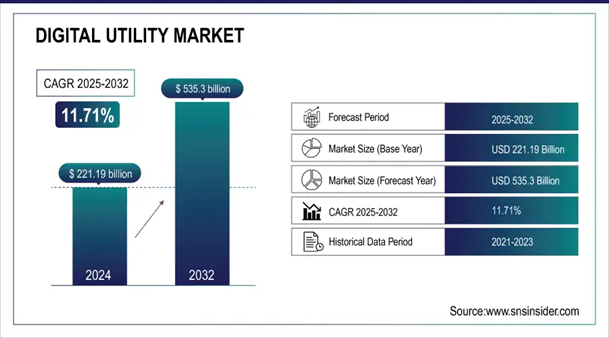
Most utilities have already moved on from pilot projects to large-scale digital implementations. With major players such as ABB, Siemens, GE, and Schneider integrating grid modernization technologies into their offerings, investments in smart grid infrastructure has been surging since the year 2021, reaching a high at 2025.
In 2026, this trend will continue, with utilities having to look out for the following global trends further driving the shift:
The integration of renewable energy has fundamentally altered the current grid behavior. From variable generation and bidirectional power flow to frequent switching and inverter-driven harmonics, these factors introduce new electrical and thermal stresses on assets. As these assets were designed for steady-state operation, utilities must adapt to digitalization to achieve grid modernization.
How digitalization enables utilities:
Balance sustainability goals with reliability expectations.
Climate volatility in recent years has intensified beyond projections. Utilities are experiencing more frequent failures and losses due to this uncertainty and infrastructure strain. Thus, they require intelligence to support rapid response capabilities, necessitating the digitalization of utility assets.
How digitalization combats extreme climate:
Although not explicit, regulatory frameworks worldwide are increasingly aligned with digital outcomes. Thus, utilities should be able to tackle asset conditions, monitoring coverage, and preventive action amid increasing compliance challenges.
Digitalization is their easiest path to regulatory resilience and operations.
With this grid modernization pathway, utilities gain:
One of the biggest misconceptions about digitalization is that it just equals switching to IIoT-based or smart sensors. But in reality, grid modernization through digitalization is about end-to-end system orchestration. The complete ecosystem includes:
This cycle can be established from the asset design phases through to its useful end-of-life. Thus, integrating grid operations across field assets, control rooms, planners, and leadership into one intelligent layer.
In 2026, digitalization will fast-track utilities’ approach to grid modernization. By advocating for businesses to move beyond mere technological adoption and towards achieving operational maturity, the upcoming year will prioritize:
It is this difference between reacting to grid stress versus engineering resilience into the grid itself that will set utilities apart.
In the coming year, utilities will no longer choose whether to digitize; they will do so intentionally. And utilities that want to future-proof their operations & maintenance and stand as a leader should:
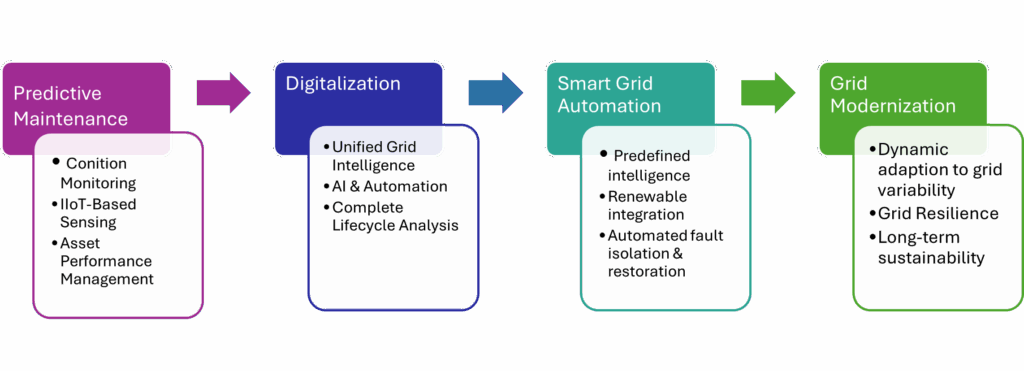
Utilities that implement this roadmap for grid modernization will not only reduce downtime and maximize ROI but also meet regulatory requirements and address growing demand through intelligence.
Rugged Monitoring’s enterprise digitalization suite, RM EYE, is designed to unify asset intelligence right from asset inception. With predictive analytics and system-level intelligence integrated into a single operational system, RM EYE transforms raw data into insights that support automated workflows, regulatory compliance, and organizational decision-making.
Built for scale, our enterprise suite enables digitalization and furthers grid modernization by laying the foundation for smart automation and long-term resilience.
Take your first step towards digitalization. Talk to our expert today: CONTACT US