Renewable energy is driving a structural shift in global electrical networks, with solar energy emerging as a key contributor to utility-scale generation. As installed capacity increases, operational expectations for solar plants, particularly in terms of availability, efficiency, and grid compliance, also continue to rise.
However, achieving these outcomes depends not only on generation capacity but also on the reliability of underlying electrical infrastructure. Inadequate maintenance strategies and limited visibility into asset conditions can lead to reduced performance, unplanned outages, and increased operational costs, directly impacting the solar plant’s ROI.
Amongst the most critical assets continuously supporting and influencing the overall efficiency and reliability are transformers.
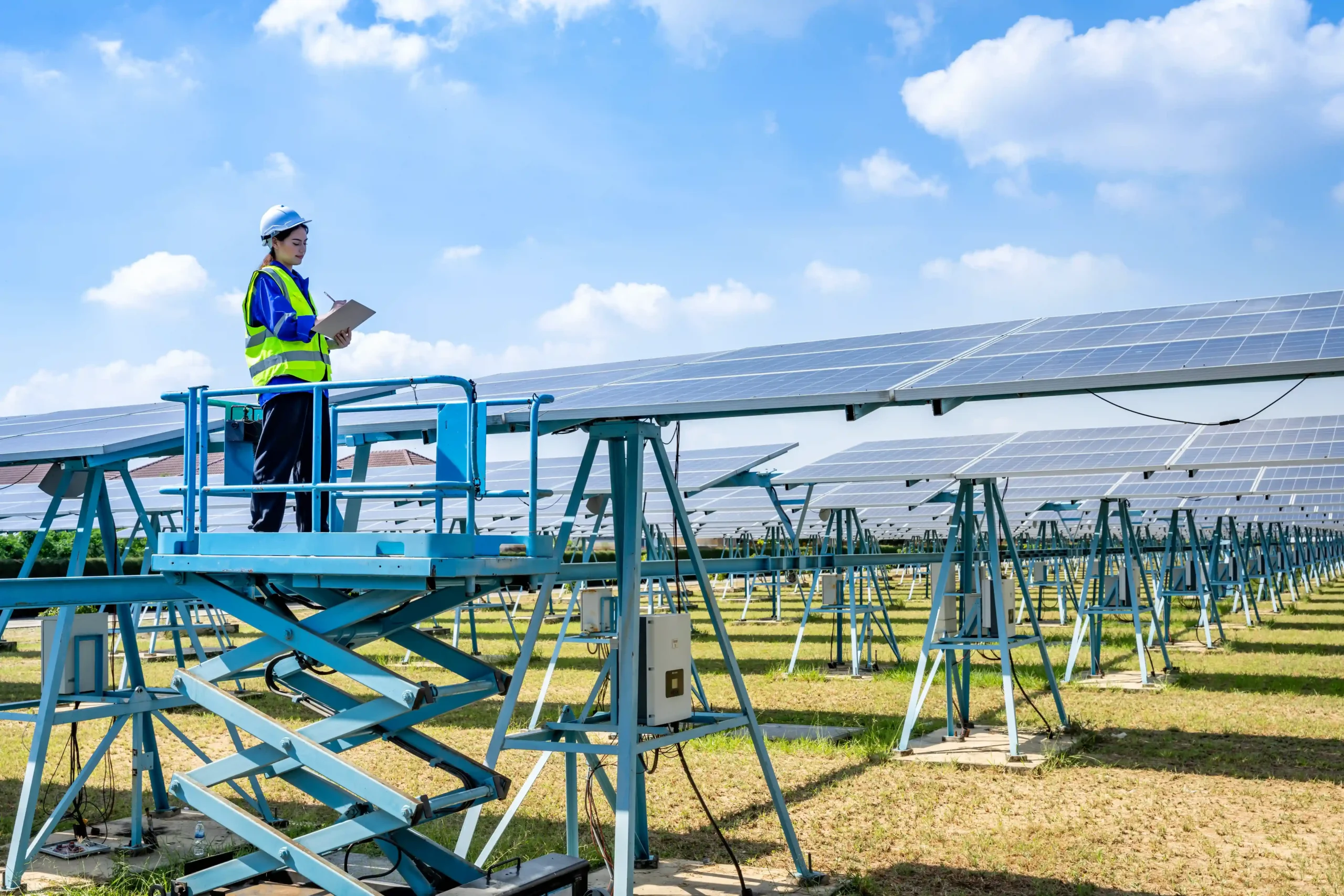
Utility-scale solar performance depends on transformer visibility, thermal reliability, and grid-ready operations.
Unlike conventional power systems, solar plants operate under highly variable load conditions, driven by irradiance fluctuations and concentrated daytime generation.
Especially during peak summer periods, transformers are subjected to simultaneous high electrical loading and rising ambient temperatures.
Non-uniform temperature distribution can result in localized hotspots due to cooling inefficiencies, insulation degradation, or uneven load distribution.
If hotspots are not identified early, transformer risk compounds.
If not identified early, these hotspots accelerate insulation aging, reduce dielectric strength, and increase the likelihood of failure, ultimately impacting plant performance and availability.
Renewable energy is driving a structural shift in global electrical networks, with solar energy emerging as a key contributor to utility-scale generation. As installed capacity increases, operational expectations for solar plants, particularly in terms of availability, efficiency, and grid compliance, also continue to rise.
However, achieving these outcomes depends not only on generation capacity but also on the reliability of underlying electrical infrastructure. Inadequate maintenance strategies and limited visibility into asset conditions can lead to reduced performance, unplanned outages, and increased operational costs, directly impacting the solar plant’s ROI.
Amongst the most critical assets continuously supporting and influencing the overall efficiency and reliability are transformers.
Under cyclic loading conditions, particularly during high irradiance and elevated ambient temperatures, these faults remain undetected and accelerate over time.
Failures appear suddenly, creating O&M blind spots that increase downtime and costs. Consequently, solar plant operators are left to react to such failures rather than manage their root causes.
Predictive maintenance addresses the core limitations of conventional transformer monitoring systems by introducing continuous, real-time visibility and unified analysis. Instead of relying on disconnected data sources, predictive systems operate on continuous data streams, ensuring that critical parameters are monitored as they evolve.
This eliminates delays and enables operators to detect issues as they begin to develop, rather than after they have progressed.
Predictive maintenance also consolidates data from multiple sources into a single, centralized asset performance management (APM) platform. Thus, eliminating the fragmentation that typically leads to blind spots.
By correlating multiple asset behaviors, APM provides solar plant operators with a more complete understanding of how stress develops within the asset.
This comprehensive context and centralized monitoring approach lead to reduced operational risks, efficient resource allocation, and maximized reliability.

RM’s End-to-End Transformer Monitoring Ecosystem
Rugged Monitoring’s transformer monitoring system is designed to provide direct measurement, continuous data acquisition, and advanced asset intelligence across critical transformer parameters.
This architecture enables solar plant operators to transition from isolated monitoring to a comprehensive understanding of transformer conditions, performance, and risks.
Thus, ensuring the outcome is a system that not only identifies emerging issues but also supports proactive decision-making, optimized maintenance strategies, and long-term improvements in asset performance.
Capture critical transformer parameters closer to the asset instead of relying only on indirect visibility.
Track asset behavior continuously during peak generation, high irradiance, and elevated ambient conditions.
Convert monitoring data into risk awareness, maintenance prioritization, and performance decisions.
Present transformer health, condition, and risk signals in a centralized monitoring environment.
Track transformer temperature behavior and hotspot risk under high solar generation and elevated ambient conditions.
Support early detection of insulation-related issues using partial discharge monitoring for transformers.
Unify transformer health signals into a centralized performance view for proactive O&M decisions.
Identify emerging stress patterns before they impact plant output, availability, and grid performance.
Use continuous monitoring data to improve maintenance planning, resource allocation, and operational reliability.
Protect the transformer assets that support efficient power evacuation from inverters to the grid.
Contact us
Move from fragmented condition monitoring to continuous transformer intelligence designed for solar plant performance, availability, and long-term asset reliability.