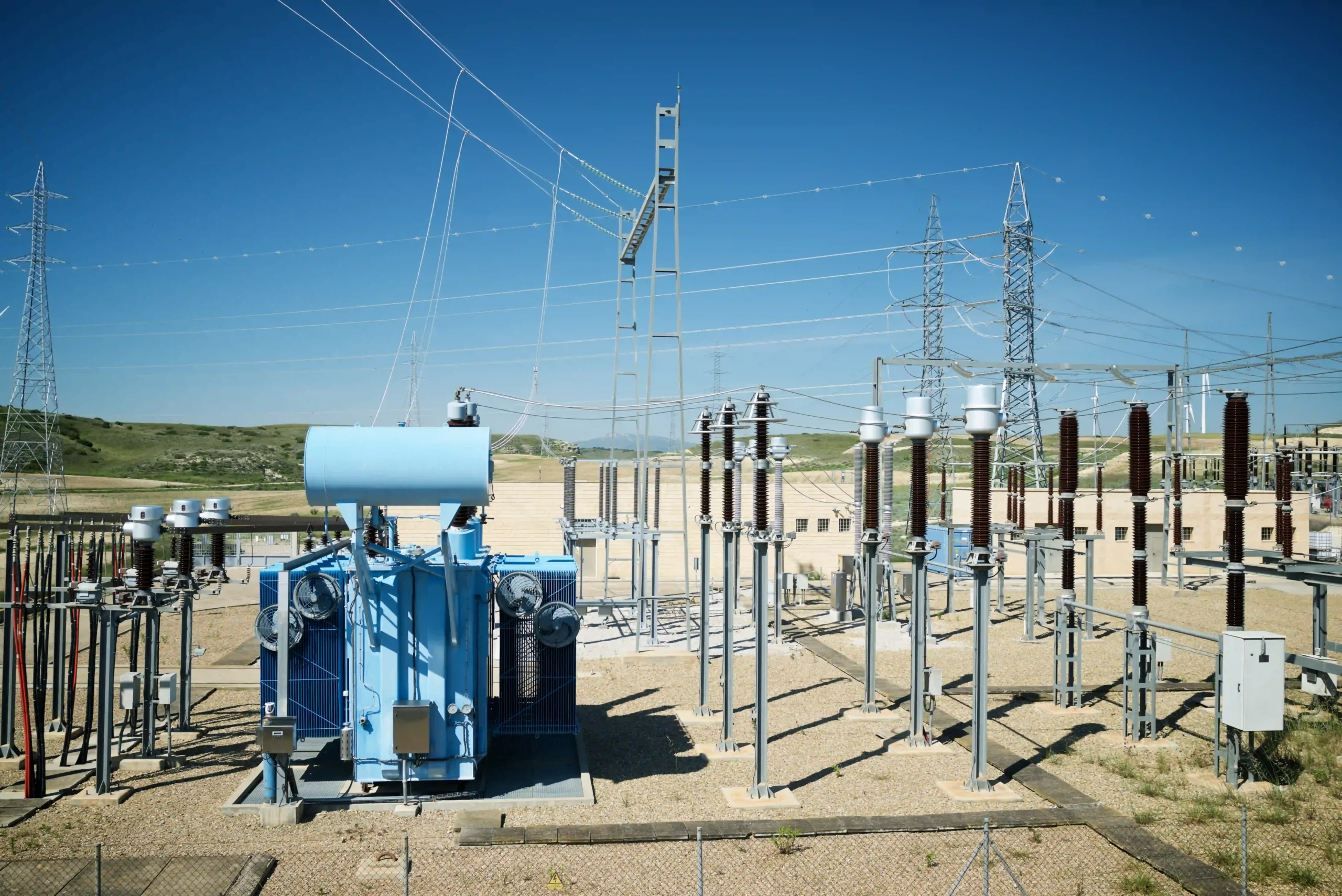
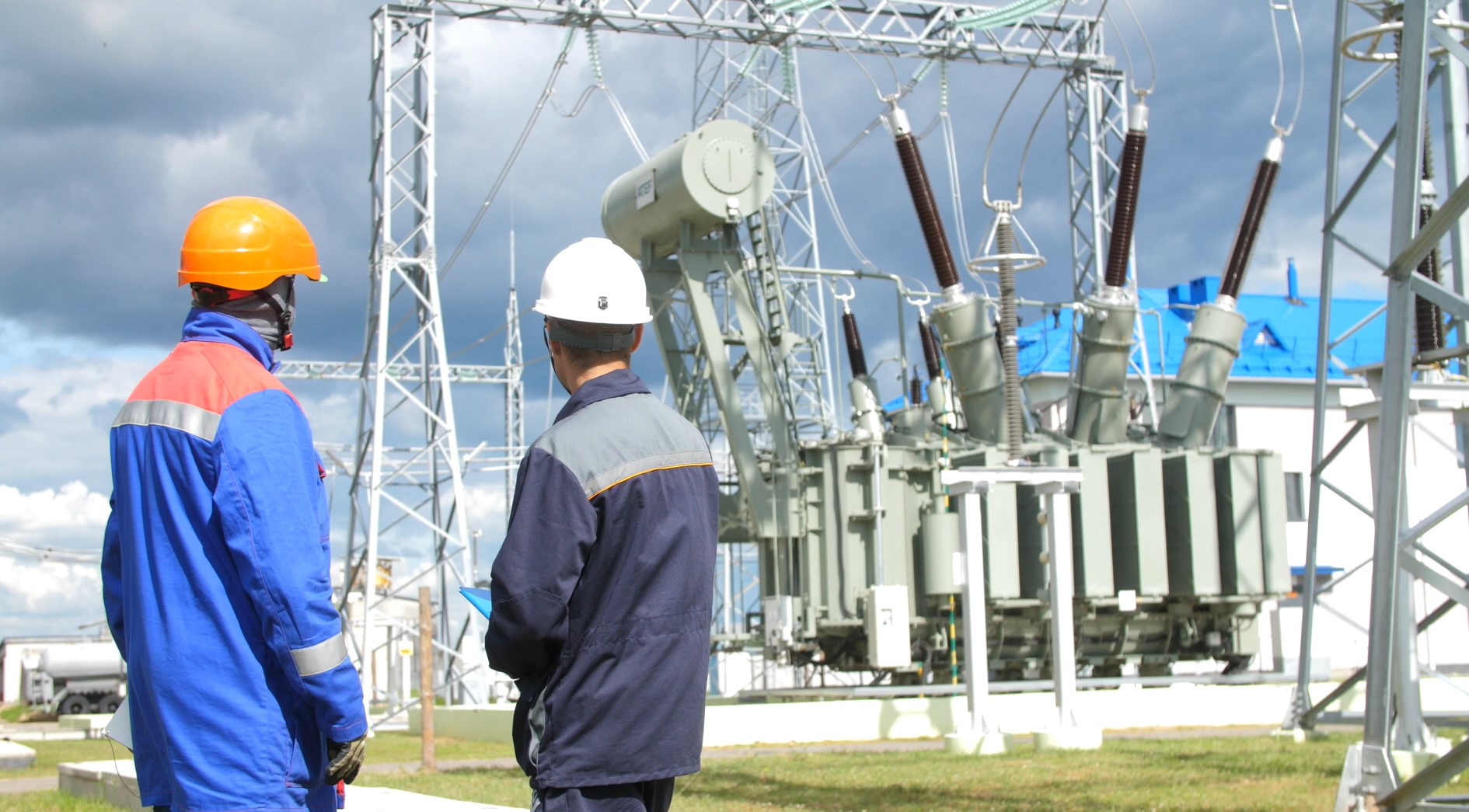
Asset performance management plays a critical role in understanding how electrical assets behave over time. Power transformers operate continuously under varying load and environmental conditions, and their performance directly influences system reliability. Industry studies indicate that approximately 30% of transformer failures are linked to insulation degradation, often driven by thermal stress.
Over the years, transformer monitoring has evolved significantly, with utilities and industries deploying multiple sensors and monitoring systems to track parameters such as:
- Temperature
- Partial discharge
- Insulation condition
However, collecting data alone does not guarantee better decision-making. This is where asset performance management (APM) becomes relevant. It shifts the focus from simply monitoring assets to understanding how those assets behave, degrade, and perform over time.
From Data to Decisions: Why Transformer Monitoring Needs APM
A transformer monitoring system generates large volumes of data, but the value lies in how that data is analyzed. Data analytics in transformer monitoring system plays a critical role in identifying trends, detecting anomalies, and understanding long-term asset behavior. Sensors capture temperature, moisture, gas levels, and electrical activity in real time. While this data is essential, a significant portion of operational data in industrial systems remains unused, limiting the effectiveness of traditional monitoring approaches.
Instead of reviewing individual readings, analytics platforms process historical and real-time data together, enabling operators to identify patterns that would otherwise remain unnoticed. This analytical layer forms the foundation of effective asset performance management software that brings structure to this data. It connects individual data points and translates them into insights that support operational and maintenance decisions. Instead of reacting to alarms or periodic inspections, operators gain a clearer understanding of asset condition and performance trends.
In practical terms, APM allows teams to move from monitoring individual parameters to managing overall electrical asset health. Modern transformer monitoring is no longer limited to tracking individual parameters. It increasingly focuses on improving overall asset performance, where the objective is not only to detect issues but also to understand how assets behave under real operating conditions.
In this context, transformer monitoring becomes a key input to broader , where data from multiple assets is combined, analyzed, and used to support operational and maintenance strategies.
Rugged Monitoring enables operators to relate changes in one parameter to others, helping them understand how transformer behavior evolves under real operating conditions. This becomes particularly important for organizations managing large transformer fleets across multiple sites, where consistent visibility and structured analysis are required for effective decision-making to:
- Correlate multiple parameters
- Identify patterns and anomalies
- Provide condition-based insights
This ensures data-driven transformer maintenance strategies, rather than relying on fixed schedules or assumptions.
Key Transformer Data Points That Drive APM Decisions
Effective asset performance management depends on how well different data points are not only captured but also connected and interpreted in relation to one another. A single parameter rarely provides enough insight on its own. The real value lies in understanding how multiple parameters interact under actual operating conditions.
Some of the most important inputs that drive APM-based decisions in transformer monitoring include:
- Hotspot Temperature Hotspot temperature is one of the most critical indicators of transformer health, as it directly influences insulation aging and overall asset life. Unlike top-oil or ambient-temperature measurements, hotspot temperature reflects the actual thermal stress experienced within the winding.RM supports this through fiber optic hotspot monitoring systems, where sensors are installed within the windings to provide direct, real-time measurements. When this data is available alongside other parameters in RM EYE, operators can assess not only temperature levels but also how thermal stress evolves under varying load and cooling conditions.
- Partial Discharge Activity Partial discharge (PD) is an early indicator of insulation defects. While PD does not immediately lead to failure, it signals localized weaknesses that may develop into serious faults over time. By continuously monitoring PD activity, operators can detect abnormal electrical behavior at an early stage.RM integrates PD data with other transformer parameters, allowing users to evaluate whether the activity is isolated or part of a broader degradation pattern. This helps in prioritizing maintenance actions based on actual risk.
- Dissolved Gas Levels Dissolved Gas Analysis (DGA) provides insight into internal transformer faults such as overheating, arcing, and insulation decomposition. Different gas signatures indicate different fault types, making DGA a valuable diagnostic tool.
When combined with other parameters, DGA data becomes more meaningful. For example, a rise in certain gases alongside increasing temperature or PD activity can confirm the presence of a developing fault. RM enables this type of correlation by making DGA data accessible within the same monitoring environment as other parameters.
- Bushing Condition Bushings play a critical role in insulation and current transfer. Changes in capacitance, dissipation factor, or insulation condition can indicate early degradation.
Monitoring bushing condition helps prevent failures that can lead to significant operational disruptions. RM brings bushing data into a unified monitoring architecture, where it can be analyzed alongside thermal and electrical parameters. This provides better context for identifying whether the issue is localized or linked to overall transformer behavior.
- Load and Operating Conditions Transformer performance is strongly influenced by load variations, ambient temperature, and cooling system effectiveness. These factors determine how stress builds up in the transformer over time.
Without considering operating conditions, individual parameter readings can be misleading. For instance, a temperature rise may be acceptable under high load but abnormal under normal conditions. RM enables operators to view monitoring data in the context of real operating conditions, helping them interpret whether observed changes are expected or indicative of a developing issue.
When these parameters are analyzed together within an asset performance management framework, they provide a much clearer and more reliable understanding of transformer condition. Instead of reacting to individual alarms, operators can identify patterns, correlate behaviors, and make informed decisions.
Rugged Monitoring’s Transformer Monitoring System supports this approach by combining monitoring devices with the RM EYE platform, which brings data from multiple parameters together in a single environment. This allows operators to move beyond isolated measurements and develop a more structured, data-driven approach to transformer health monitoring and maintenance planning.
How APM Improves Transformer Reliability?
Transformer reliability depends on how early potential issues are identified and addressed. Studies show that early fault detection can prevent a majority of catastrophic transformer failures, which often result in high repair costs and extended downtime.
APM improves reliability by:
- Providing continuous visibility into electrical asset health
- Reducing dependence on periodic inspections
- Enabling early detection of abnormal behavior
- Supporting informed decision-making across operations and maintenance teams
- Helping organizations prioritize resources
Not all transformers require the same level of attention. By understanding asset condition more deeply, teams can focus on high-risk assets and optimize maintenance planning.
The Value of APM in Ensuring Grid Reliability
The real value of APM lies in its ability to convert raw monitoring data into actionable insights. It provides the context required to interpret data across multiple parameters rather than viewing them in isolation. This allows operators to identify developing patterns and understand how asset behavior evolves over time.
Instead of treating each parameter independently, APM platforms:
- analyze trends over time
- detect deviations from normal behavior
- generate alerts based on combined conditions
This approach supports transformer health monitoring with APM, where maintenance decisions are based on actual asset condition rather than predefined schedules.
As a result:
- Maintenance becomes more targeted
- Unplanned outages are reduced
- Asset life can be extended
Conclusion
Transformer monitoring has made significant progress in improving visibility into asset condition. However, visibility alone is not enough. The ability to interpret data and act on it determines how effectively assets are managed.
Asset performance management bridges this gap. It transforms monitoring data into insights that support predictive maintenance, improve reliability, and enhance operational efficiency. As the complexity of power systems continues to grow, integrating APM for power transformer monitoring will become increasingly important. It enables organizations to move from data collection to decision-making, ensuring that transformers operate safely, efficiently, and reliably over their lifecycle.
Looking to move from transformer monitoring to data-driven decision-making?
Learn how Rugged Monitoring’s integrated monitoring systems and RM EYE platform convert transformer data into actionable insights to improve reliability, maintenance planning, and asset performance.