AIS condition monitoring is essential for maintaining safety, maximizing system uptime, and extending asset lifespan across critical power infrastructure.
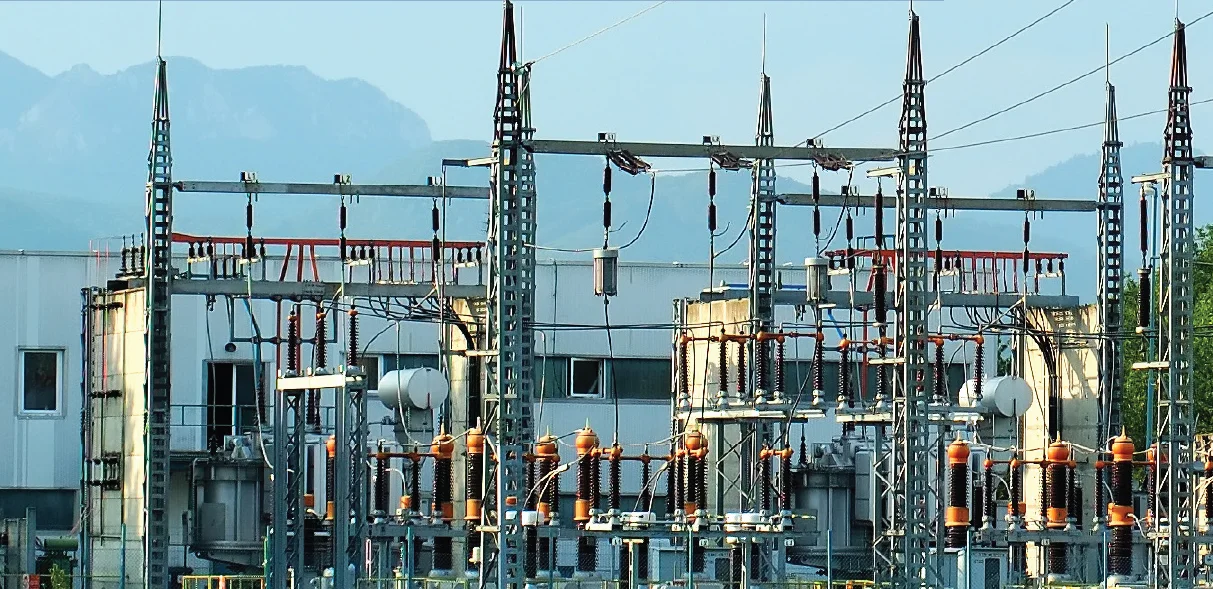
Before we dive into AIS Condition Monitoring, let’s first understand what Air-Insulated Switchgear is. Air-insulated switchgear (AIS) is a type of electrical equipment used to control, protect, and isolate electrical circuits, relying on ambient air as the insulating medium. Reliable AIS ensures safe and efficient power distribution in utilities, industrial facilities, and commercial networks.
According to the International Energy Agency (IEA),global electricity demand is expected to grow at an average annual rate of 3.3% in 2025 and 3.7% in 2026. This trend reflects the ongoing surge in electrification and the growing strain on power systems.
To meet these challenges, AIS is evolving to support digitally enabled substations. AIS condition monitoring provides real-time insights into equipment health, enabling predictive maintenance, enhanced safety, and increased operational uptime.
Now, let’s explore what AIS condition monitoring is and how it works, highlighting its role in building resilient power networks.
Understanding Air-insulated switchgear (AIS)
Air-insulated switchgear uses air as its primary insulating medium to isolate energized components. It is widely used in substations due to its:
- Proven durability and long service life
- Ease of maintenance compared to sealed GIS systems
- Ease of installation and component accessibility
- Cost‑effectiveness for medium‑ and high‑voltage applications
It is commonly installed in electrical substations and distribution networks to control, protect, and isolate various electrical components. The key components of an AIS assembly include:
- Circuit breakers: Interrupt current flow during faults
- Disconnectors and earthing switches: Provide isolation and safety during maintenance
- Current transformers (CTs): Measure precise electrical current insights for smarter protection and monitoring.
- Voltage transformers (VTs): Monitor system voltage and protect against overvoltage conditions.
- Busbars and relays: Facilitate efficient current distribution and fault detection.
AIS vs GIS: A quick comparison
| Features | AIS | GIS |
| Insulating Medium | Air | SF6 Gas |
| Cost | Lower initial cost | Higher initial cost |
| Maintenance | Requires regular maintenance | Minimal maintenance |
| Space requirement | Larger | Compact |
| Environmental Impact | No greenhouse gas | SF6 is a greenhouse gas |
From Traditional AIS Systems to Digital Intelligence
According to the U.S. Department of Energy’s 2024 congressional report, 70% of transmission lines are over 25 years old, highlighting the urgent need for refurbishment, automation, and advanced monitoring.
Since each asset is crucial for the reliable operation of a substation, the financial risk associated with switchgear failure is substantial. According to the ABB case study, research indicates that industries such as data centers incur losses of between $740k and $850k per outage. Such failures not only disrupt operations but also compromise safety and the longevity of assets.
To overcome these challenges, utilities and asset managers are turning to digitally enabled asset management solutions. This shift isn’t just about better maintenance; it’s about protecting revenue. That’s why AIS condition monitoring is increasingly viewed as a high-ROI investment.
What is AIS Condition Monitoring?
AIS condition monitoring involves continuous, real-time tracking of the health performance and operating conditions of air-insulated switchgear using sensors, monitors, and software platforms. Its purpose is to capture the actual operating condition of each component. This allows operators to detect degradation early and ensure safer substation performance.
To understand the health of AIS equipment, monitoring tracks key parameters such as:
-
Thermal behaviour
Detects hotspots caused by loose connections, poor contact, or uneven phase loading.
-
Partial discharge (PD)
Identifies insulation defects, voids, surface tracking, or contamination.
-
Humidity and environmental conditions
Monitors moisture ingress, condensation risks, and surface contamination that can create tracking paths and reduce dielectric strength.
-
Mechanical performance
Tracks breaker operating times, vibration signatures, mechanism wear, and latching issues.
When these measurements are collected and analyzed continuously, operators gain a complete picture of switchgear health. Integrated with enterprise asset management or predictive maintenance platforms, this real-time visibility enables earlier detection of anomalies and informed decision-making. This helps utilities shift away from manual inspection to more efficient, condition-based strategies.
How AIS Condition Monitoring Works?
AIS condition monitoring solutions use a combination of sensors, local processing, and analytics to create an end-to-end health evaluation framework.
-
Sensors: Capture real-time data
For AIS monitoring, high-precision sensors are designed to measure the health parameters of the switchgear.
Key sensor types include:
-
- Fiber Optic Temperature sensors – Measure temperatures with high accuracy, detecting abnormal or overheating that can indicate loose connections, overloading, or insulation degradation.
- Partial Discharge Sensors- Ultra high frequency (UHF), high frequency (HF), or acoustic sensors detect early-stage insulation breakdown and arcing activity before it leads to failure.
By continuously collecting these signals, the system ensures no deviation in equipment health goes unnoticed.
-
Data Acquisition and Communication layer
Once sensor data is collected, it is transmitted to intelligent data acquisition units located within or near switchgear or substations.
These monitoring modules perform local signal processing and interface with existing protection and control systems via standard protocols, including Modbus, IEC 61850, and DNP3.
From there, the data can be:
-
- Integrated into SCADA systems for centralized visualization and alarms.
- Sent to on-premises servers or cloud platforms for long-term storage, trend analysis, and advanced diagnostics.
This communication architecture ensures AIS monitoring becomes an integral part of a unified substation health ecosystem.
-
Analytics and Diagnostics
Raw data alone doesn’t ensure reliability, but intelligent analytics do. So, monitoring software analyses real-time data to identify deviations, rate-of-change patterns, and potential risk indicators.
The advanced asset performance management (APM) platform utilizes:
-
- Trend and threshold-based analytics for early warning of overheating, partial discharge inception, or humidity ingress.
- Machine learning algorithms provide predictive insights based on historical behaviour.
- Real-time alerts and intuitive dashboards that highlight critical events and guide maintenance teams toward timely corrective actions.
Real-time dashboards highlight emerging issues, allowing field and maintenance teams to prioritize actions. These insights help utilities optimize maintenance scheduling, avoid unnecessary inspections, and reduce the likelihood of unforeseen failures.
-
Predictive and Preventive Actions
Continuous AIS monitoring provides actionable insights enabling utilities to detect deteriorating conditions before they escalate into catastrophic failures.
-
- When abnormal trends or threshold deviations occur, monitoring platforms automatically issue alerts and notifications through email, SMS, or real-time dashboards.
- These alerts highlight emerging risks such as overheating, insulation degradation, or partial discharge activity.
- Operators can use trend analytics and health insights to plan timely preventive maintenance, such as scheduling inspections, tightening connections, or replacing aging components. This reduces unplanned downtime and improves overall system reliability.
This data-driven approach significantly reduces unplanned outages, supports a more optimized maintenance budget, and extends the equipment’s lifespan.
Key Advantages of AIS Condition Monitoring
AIS condition monitoring drives measurable improvements in reliability, safety, and cost efficiency. Key benefits include:
-
Early Fault Detection and Failure Prevention
Detects insulation degradation, contact wear, and partial discharge activity before they cause failures.
Result: Early intervention reduces downtime, maintenance costs, and unplanned outages.
-
Enhanced Operational Safety
Real-time alerts prevent unsafe operating conditions, reducing the risk of arc flash incidents.
Result: Improved worker safety and compliance with international safety standards.
-
Improved Asset Lifespan and Reliability
Maintaining equipment within safe operating limits slows aging and extends the service life of switchgear components.
Result: Maximized return on investment (ROI) from every switchgear unit.
-
Reduced Maintenance Costs and Downtime
Condition-based maintenance replaces time-based schedules, lowering inspection frequency and avoiding unnecessary service disruptions.
Result: Lower O&M expenses and improved resource efficiency.
-
Strengthened Grid Reliability and Performance
Continuous monitoring ensures stable operation, reducing outage risks and supporting resilient power delivery across interconnected systems.
Result: Greater network uptime, reliability, and customer satisfaction.
-
Seamless Integration with Predictive Maintenance Platforms
When connected with predictive platforms, AIS monitoring data integrates seamlessly with other assets (transformers, cables, GIS), creating a unified asset health ecosystem.
Result: One connected ecosystem for all asset health insights.
-
Lower Total Cost of Ownership (TCO)
Through early detection, optimized maintenance, and prolonged lifespan, AIS condition monitoring significantly reduces overall lifecycle costs.
Result: Sustainable cost savings through proactive asset management.
Real-World Applications of AIS Condition Monitoring
-
Utilities and Power Distribution
Utilities use AIS monitoring to track breaker temperatures, busbar currents, and insulation conditions across multiple substations. This enables faster fault detection, optimized maintenance, and minimized service interruptions.
-
Renewable Energy Plants
Solar and wind farms benefit from AIS monitoring by maintaining reliable interconnections and preventing thermal or insulation-related failures in remote installations.
-
Industrial and Commercial Facilities
Manufacturing plants, data centers, and refineries depend on switchgear reliability for continuous operation. AIS monitoring helps detect abnormalities early, supporting uninterrupted production and safety compliance.
-
Smart Grids and Digital Substations
Through IIoT sensors, edge analytics, and AI-driven insights, switchgear health data becomes part of a larger predictive ecosystem. When integrated with an enterprise-level APM suite, it enables predictive analytics, cross-asset diagnostics, and automated maintenance planning.
Challenges & Risk Mitigation
While AIS monitoring provides substantial value, there are important challenges to address:
-
Noise Interference
Partial discharge detection, especially via UHF. It can be influenced by electromagnetic interference.
Mitigation: Use multiple sensing modalities (UHF +acoustic) and robust filtering.
-
Retrofit Complexity
Installing sensors into existing AIS can be challenging due to space constraints, enclosure design, and limited access points.
Mitigation: Utilize compact, non-intrusive sensor assemblies that integrate seamlessly into existing layouts with minimal modification.
-
Data Integration
Many substations still run on earlier SCADA architectures or protection devices that don’t easily accept modern digital inputs.
Mitigation: Adopt gateways that translate to IEC 61850 and utilize secure APIs.
-
Cost–Benefit Variability
It may not be economically justified to install complete monitoring on every AIS bay, especially in stations with mixed criticality levels.
Mitigation: Prioritize based on risk and the consequences of failure. Then, perform pilot deployments to validate value.
Future Outlook with Rugged Monitoring
The landscape of air-insulated switchgear monitoring is evolving rapidly. As the energy sector increasingly relies on low-carbon, renewable-driven grids, continuous monitoring will be crucial for operators to maintain reliability while navigating complex, modern networks.
Rugged Monitoring is helping utilities and industrial operators move from reactive approaches to predictive, data-driven operations. By connecting every asset in the substation ecosystem, operators can ensure seamless, safer, and more resilient grid performance.
Looking ahead, several key trends are shaping the future of AIS monitoring:
- Advanced sensing: Modular, retrofit-capable IIoT sensors for temperature and partial discharge deliver accurate, granular asset monitoring.
- Smarter analytics: AI and machine learning help predict issues before they escalate, allowing operators to act proactively.
- Unified monitoring ecosystems: AIS monitoring will increasingly complement GIS and other switchgear monitoring systems, giving operators a unified view of the network.
- Cybersecurity focus: Safeguarding data and communication channels is essential to protect grid operations.
- Sustainability alignment: Monitoring strategies support broader environmental goals, helping utilities meet carbon reduction and efficiency targets.
- Integrated decision-making: The enterprise-level APM platform provides real-time visibility, predictive diagnostics, and strategic maintenance planning.
By combining sensor technology, edge devices, and the digital asset performance management platform RM EYE, Rugged Monitoring enables fully integrated and resilient substations. This solution enhances operational efficiency while linking both AIS and GIS condition monitoring for a complete view of network performance.
Drive the digital substation evolution with Rugged Monitoring to maximize performance and gain real-time visibility!