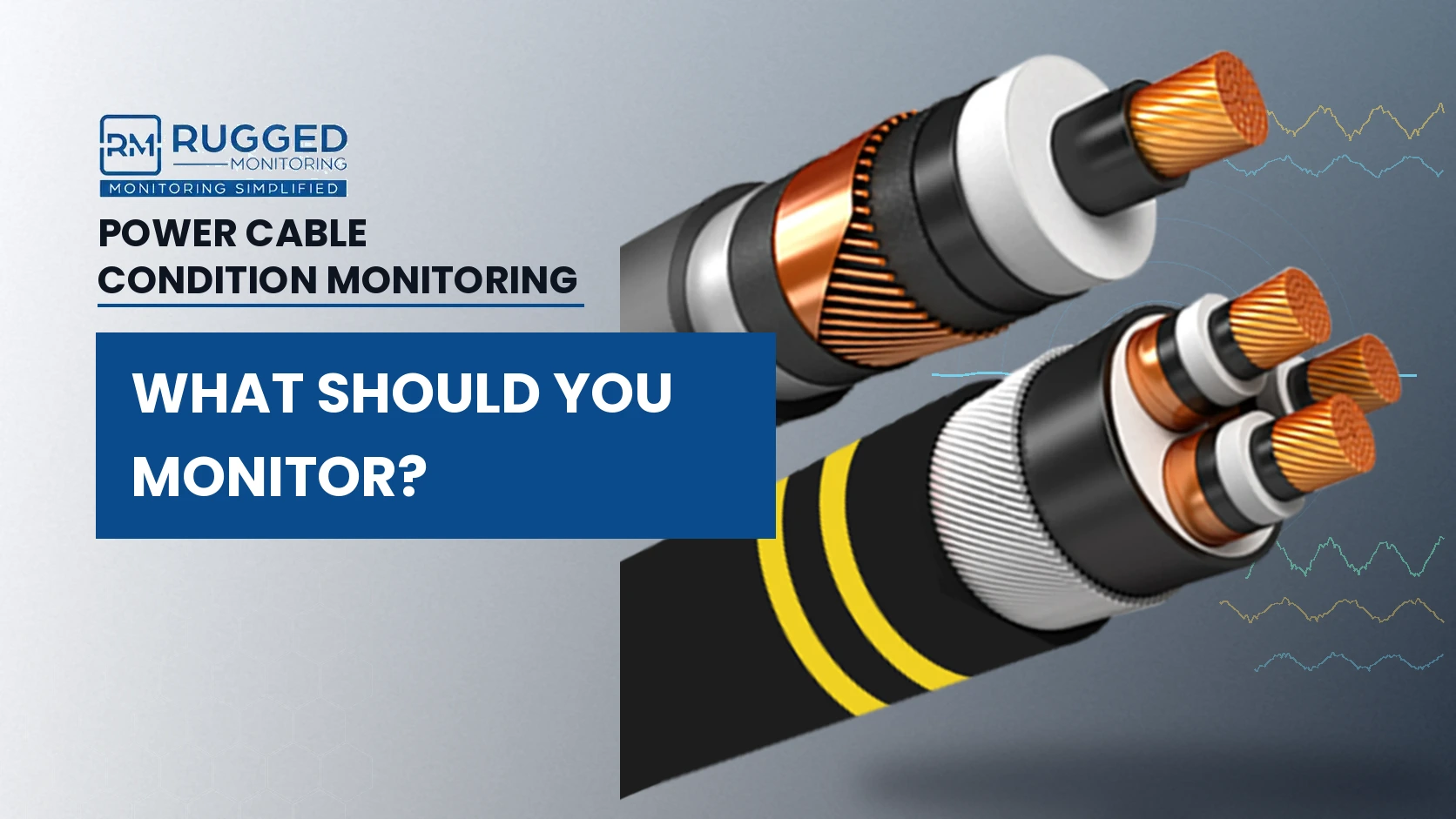

Power cables are among the most critical assets in electrical networks, carrying energy across industrial facilities, utilities, renewable energy installations, and transmission systems. While designed for decades of services, power cables do not deteriorate overnight. In fact, this gradual decline provides valuable insight into their condition. Therefore, engineers and asset managers can detect emerging issues early and address them proactively before they escalate into failures.
Understanding the early signs of power cable deterioration is essential for maintaining system reliability, reducing unplanned outages, and extending asset life. Electrical, thermal, insulation and physical indicators often appear well before a cable reaches a critical condition. Moreover, these early warnings help engineers evaluate asset performance. Therefore, maintenance can be planned before serious problem could occur.
In this article, therefore, we explore why power cables deteriorate, the warning signs they produce, where those signs commonly appear, and how continuous condition monitoring can support earlier detection.
Why Do Power Cables Deteriorate?
Every cable experiences some degree of power cable aging throughout its operational life. Every cable experiences some degree of power cable aging throughout its operational life. However, aging alone does not necessarily indicate a problem. For example, deterioration occurs when environmental, electrical, thermal, or mechanical stresses accelerate the degradation process beyond expected levels.
Common causes of cable degradation include:
-
Thermal cycling caused by fluctuating electrical loads
As cable loading increases and decreases, conductors and insulation repeatedly expand and contract. Over time, this thermal stress can weaken insulation materials, loosen connections, and contribute to the development of defects at joints and terminations.
-
Prolonged operation at elevated temperatures
Excessive heat accelerates the aging of insulation materials such as XLPE and EPR. Higher operating temperatures can reduce dielectric strength, increase insulation brittleness, and shorten the overall service life of the cable system.
-
Moisture penetration into the insulation system
Water ingress can significantly affect insulation performance, particularly in aging cable systems. Moisture may lead to the formation of water trees, microscopic degradation structures that gradually reduce insulation integrity and increase the risk of failure.
-
Electrical stress and partial discharge activity
High electric fields can create localized defects within the insulation. These defects may initiate partial discharge activity, which slowly erodes insulation materials and can eventually develop into larger faults if left unaddressed.
-
Mechanical damage during installation, excavation, or operation
Bending beyond recommended limits, accidental impacts, vibration, or damage from third-party excavation can compromise both protective layers and insulation. Even minor mechanical defects can become initiation points for future deterioration.
-
Corrosion affecting metallic sheaths and bonding components
Exposure to moisture, soil conditions, or environmental contaminants can corrode metallic components of the cable system. Corrosion may weaken protective barriers, affect grounding performance, and increase the likelihood of moisture ingress.
-
Manufacturing defects or installation-related issues
Imperfections introduced during manufacturing or installation can create areas of concentrated electrical stress. Poorly installed joints, improper termination practices, or hidden material defects may accelerate deterioration much earlier than expected.
-
Chemical contamination and environmental exposure
Industrial pollutants, oil, salt, UV radiation, and aggressive chemicals can gradually degrade cable jackets and protective layers. Once these barriers are compromised, the insulation becomes more vulnerable to moisture, corrosion, and other aging mechanisms that accelerate cable degradation.
Over time, these factors can weaken insulation, alter electrical properties, and affect the cable’s ability to safely transmit power. Understanding how deterioration develops is the first step toward identifying potential issues early.
The challenge, however, does not appear as the obvious damages. Many changes begin internally and can remain undetected during routine visual inspections. Understanding what these early warning signs look like can help engineers identify abnormal deterioration before it progresses toward a failure event.
What Are the Early Warning Signs of Power Cable Deterioration?
One of the challenges of detecting power cable deterioration is that early symptoms are often subtle and may not be visible during routine inspections.
Some of the most common cable deterioration symptoms include:
- Changes in Insulation Performance
Insulation systems gradually lose their original electrical properties as they age or become damaged. Early degradation may manifest as changes in dielectric behaviour, increased moisture content, or developing insulation defects.
- Unusual Temperature Behaviour
Localized heating can indicate excessive losses, insulation weakness, poor connections, or sheath-related issues. Temperature changes often precede more serious failures.
- Increasing Partial Discharge Activity
Partial discharge occurs when localized electrical breakdown develops within insulation defects. While not all partial discharge leads to immediate failure, increasing levels can indicate progressing deterioration.
- Variations in Sheath Current
Unexpected changes in sheath current may suggest altered cable conditions, grounding issues, or evolving defects within the cable system.
- Physical Condition Changes
Swelling, cracking, moisture entry, corrosion, or damage to cable accessories may indicate developing deterioration even when electrical performance appears normal.
Individually, these signs may not indicate imminent failure. However, when multiple indicators appear simultaneously, they often warrant further investigation.
What Electrical and Insulation Changes Indicate Cable Deterioration?
Electrical behaviour often provides some of the earliest clues that deterioration is occurring.
Increasing Dielectric Losses
As cable insulation deterioration progresses, insulation may become less effective at resisting electrical stress. Changes in dielectric properties can signal aging, contamination, moisture ingress, or insulation defects.
Diagnostic techniques that evaluate insulation condition can identify deterioration long before visible damage occurs.
Partial Discharge Activity
Partial discharge is frequently considered one of the most important indicators of developing insulation problems.
Industry guidance such as IEEE SA – IEEE 1407-2021 recognizes partial discharge measurements as an important tool for assessing insulation condition and identifying developing defects within power cable systems.
Partial Discharge activity may result from:
- Voids within insulation
- Water treeing
- Electrical treeing
- Defects in joints and terminations
- Mechanical damage
An increase in partial discharge levels does not necessarily mean immediate failure is imminent. However, trending activity over time can reveal whether deterioration is stable or progressing.
Moisture-Related Insulation Changes
Water ingress is a significant contributor to insulation deterioration signs, particularly in aging cable systems. Moisture can accelerate degradation mechanisms such as water treeing, which gradually weakens insulation performance.
Early moisture-related deterioration may not be visible externally, making condition assessment techniques particularly valuable.
Changes in Insulation Resistance
A reduction in insulation resistance can indicate contamination, moisture penetration, or insulation deterioration. While results should always be interpreted within the context of cable type and operating conditions, noticeable deviations from historical values often justify additional investigation.
What Thermal and Physical Changes Should You Watch For?
Thermal and physical indicators can provide practical evidence that a cable system is experiencing abnormal stress.
Localized Hot Spots
Temperature increases concentrated at specific locations often indicate:
- Overloaded conductors
- Poor connections
- Defective accessories
- Increased dielectric losses
Power Cable Hotspots may develop in joints, terminations, transition points, or along cable sections experiencing elevated stress.
Surface Damage
Visible surface deterioration may include:
- Cracks in outer jackets
- Abrasion damage
- UV-related degradation
- Mechanical impact damage
Although external damage does not always affect internal insulation, it can create pathways for moisture ingress and accelerate future deterioration.
Corrosion of Metallic Components
Cable sheaths, screens, bonding connections, and associated hardware may deteriorate due to corrosion.
Potential consequences include:
- Increased losses
- Grounding issues
- Reduced shielding effectiveness
- Accelerated asset degradation
Moisture Intrusion
Evidence of moisture around joints, terminations, or sheath openings should never be ignored. Even small amounts of water penetration can contribute significantly to long-term insulation deterioration.
Where Do Signs of Power Cable Deterioration Commonly Appear?
Deterioration does not always occur uniformly throughout a cable system. Certain locations are more susceptible to defects and aging mechanisms.
Cable Joints
Joints often experience elevated electrical and thermal stress compared to the cable itself.
Potential warning signs include:
- Temperature anomalies
- Partial discharge activity
- Moisture ingress
- Mechanical degradation
Cable Terminations
Terminations are exposed to environmental influences and electrical stress concentrations.
Common indicators include:
- Discoloration
- Surface contamination
- Cracking
- Abnormal heating
Cable Insulation
Many early indicators of power cable failure originate within the insulation system itself. Because these changes are often invisible, diagnostic testing and condition monitoring become especially important.
Metallic Sheaths and Bonding Systems
Changes in sheath conditions can provide valuable information about cable health.
Sheath current monitoring and bonding performance can reveal developing issues before major degradation becomes visible.
How Can You Tell Normal Cable Aging from Developing Problems?
Not every change observed in a cable system indicates a serious problem.
Understanding the difference between power cable aging and deterioration is critical for effective asset management.
Characteristics of Normal Aging
Normal aging generally occurs gradually and predictably.
Characteristics may include:
- Slow changes in insulation properties
- Stable operating temperatures
- Consistent diagnostic measurements
- No evidence of accelerating degradation
Characteristics of Abnormal Deterioration
Developing problems often show signs of progression.
Indicators can include:
- Rapidly changing measurements
- Increasing partial discharge activity
- Emerging hot spots
- Moisture-related defects
- Unexpected sheath current variations
- Physical damage that worsens over time
Trending historical data is often more valuable than a single measurement because it reveals whether deterioration is stable or accelerating.
Which Warning Signs Require Further Investigation?
Certain warning signs deserve immediate attention due to their potential relationship with developing failure mechanisms.
Examples include:
- Increasing partial discharge trends
- Persistent hot spots
- Rapid changes in sheath current behaviour
- Evidence of moisture ingress
- Significant decreases in insulation performance
- Progressive physical damage
- Repeated abnormal test results
A single abnormal observation may not confirm a defect. However, multiple indicators occurring together generally justify additional diagnostic testing and condition assessment.
CIGRE specifically addresses cable failure modes, aging, diagnostic methods, technical-condition assessment, and using diagnostic information for asset-management decisions.
The goal is not necessarily to identify imminent failure but to determine whether deterioration is progressing toward a condition that could compromise reliability.
How Condition Monitoring Helps Detect Cable Deterioration Earlier
Many forms of power cable deterioration begin internally, long before visual inspections reveal any issue.
This is where continuous monitoring provides a significant advantage.
Rather than relying solely on periodic inspections, modern cable monitoring systems continuously track critical power cable condition indicators, allowing engineers to identify trends as they emerge.
Continuous monitoring can support detection of:
- Partial discharge development
- Changes in sheath current behaviour
- Abnormal thermal conditions
- Evolving insulation degradation
- Progressive system-level deterioration
Various power cable monitoring solutions can be used to track these condition indicators across critical cable systems.
By comparing current operating conditions with historical baselines, maintenance teams can detect subtle changes that may otherwise remain unnoticed.
For organizations seeking greater visibility into cable health, Rugged Monitoring’s Cable Monitoring System provides continuous insight into asset condition, helping support earlier detection of developing issues across critical cable networks.
Key Takeaways
- Power cable deterioration typically develops gradually rather than appearing suddenly.
- Electrical, insulation, thermal, and physical changes can provide early warning signs.
- Common cable deterioration symptoms include changing insulation behaviour, partial discharge activity, temperature anomalies, and sheath current variations.
- Signs frequently appear at joints, terminations, insulation systems, and metallic sheath components.
- Distinguishing normal power cable aging from abnormal deterioration requires evaluating trends over time.
- Continuous condition monitoring helps identify developing issues earlier than routine inspections alone.
- Early detection supports informed maintenance decisions and reduces the risk of unexpected cable failures.
Conclusion
Power cables rarely fail without warning. In many cases, subtle electrical, thermal, insulation, and physical changes emerge long before a serious fault occurs. Understanding the early signs of power cable deterioration enables engineers, maintenance teams, and asset managers to identify developing problems sooner and take proactive action before reliability is affected.
As cable systems age and operational demands increase, relying solely on periodic inspections may not be enough. Continuous monitoring provides a deeper understanding of asset condition, helping organizations detect deterioration trends earlier and prioritize maintenance activities based on actual cable health.
Want greater visibility into cable condition? Explore Rugged Monitoring‘s cable monitoring solutions to identify developing deterioration earlier and support more informed asset management decisions.
Frequently Asked Questions
- What are the early signs of power cable deterioration?
Early signs include changing insulation performance, increasing partial discharge activity, abnormal temperature behavior, sheath current variations, moisture ingress, and visible physical damage. These indicators may appear long before failure occurs.
- How can you tell if a power cable is aging?
Normal cable aging is typically gradual and predictable. Stable diagnostic measurements, consistent operating temperatures, and slow changes in insulation characteristics generally indicate aging rather than active deterioration.
- What causes power cable insulation to deteriorate?
Common causes include thermal stress, electrical stress, moisture ingress, contamination, mechanical damage, manufacturing defects, and long-term environmental exposure. These factors can accelerate insulation degradation over time.
- How do you know if power cable insulation is damaged?
Signs of deteriorating power cable insulation may include partial discharge activity, reduced insulation resistance, moisture-related defects, dielectric property changes, and abnormal condition monitoring results.
- Can a deteriorating power cable be detected before it fails?
Yes. Many deterioration mechanisms produce detectable electrical, thermal, or insulation-related changes before failure occurs. Continuous condition monitoring and diagnostic assessment techniques can help identify these trends early and support proactive maintenance decisions.