
Variable Frequency Drives (VFDs) play a vital role in modern industrial operations by helping control motor speed and improve energy efficiency. However, achieving consistent VFD motor performance requires more than installing the right equipment. Motors and drives must be continuously monitored to identify developing issues, reduce unexpected failures, and maintain efficient operation.
Electrical Asset Condition Monitoring provides organizations with greater visibility into the health and performance of VFD motors. By combining real-time monitoring, data analysis, predictive maintenance, and alert mechanisms, organizations can identify abnormalities earlier and make more informed maintenance and operational decisions.
Real-Time Monitoring for Better VFD Motor Performance
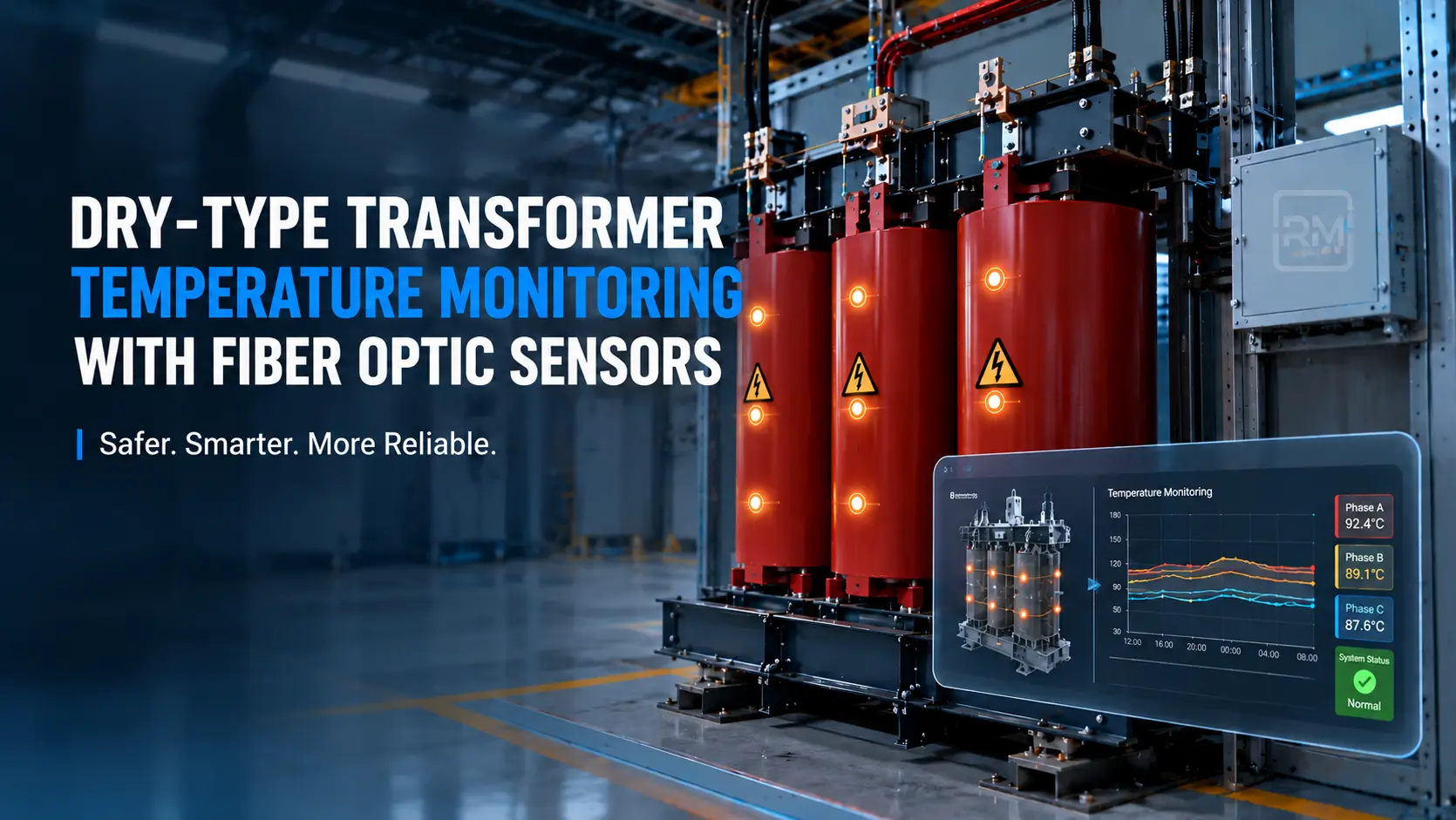
Effective asset management begins with understanding how equipment is performing during operation. Electrical asset condition monitoring enables teams to continuously observe VFD motor parameters instead of relying solely on periodic inspections or responding after a problem occurs.
Real-time visibility can help electrical engineers, maintenance teams, and facility managers identify unusual operating patterns. It is because real-time monitoring provides a clearer picture of asset health over time. Instead of relying on periodic inspections, an analysis of historical and current performance data to understand changes in operating behavior. Alters and performance data enables teams to investigate and take proactive measures, potentially reducing unplanned downtime.
For organizations managing multiple electrical assets, this visibility can support more consistent maintenance decisions and help prioritize attention where it is needed most.
Predictive Maintenance: Moving from Reactive to Proactive
Condition monitoring shows how a VFD motor is performing now. Predictive maintenance goes a step further by using real-time condition data, historical trends, and advanced analytics to identify patterns associated with developing faults or future failure risk.
Instead of servicing equipment only at fixed intervals or after a breakdown, predictive maintenance helps teams estimate when an asset may require intervention. In more advanced applications, analytics and AI-based models can assess large volumes of operating data to detect subtle changes in asset behaviour and support earlier maintenance decisions.
For example, recurring alarms, rising operating temperatures, unusual current patterns, or changes in energy consumption may not indicate an immediate failure. However, when these trends are analysed over time, they can reveal deterioration that warrants inspection or planned maintenance.
This approach enables maintenance managers to focus resources on assets that show evidence of developing issues, rather than applying the same maintenance schedule to every motor. As a result, organisations can reduce unnecessary maintenance, lower the risk of unexpected failure, improve maintenance planning, and support long-term asset reliability.
Supporting Energy Management and Efficiency
Energy efficiency is another important consideration in VFD motor management. VFDs are designed to regulate motor operation according to process requirements, but maintaining efficient performance requires visibility into how the equipment behaves under actual operating conditions.
Electrical asset condition monitoring can provide detailed information about VFD motor performance, helping organizations identify inefficient operating conditions and opportunities for improvement. Facility managers and energy managers can use performance data to understand where energy may be wasted and where operational adjustments could improve efficiency.
Instead of relying only on overall energy consumption figures, teams gain asset-level insights that can support more targeted decisions.
Continuous monitoring can also help organizations evaluate whether efficiency initiatives are delivering the expected results. By comparing performance trends before and after operational changes, teams can make data-driven decisions and continuously refine their energy management strategies. This combination of monitoring and analysis supports both operational efficiency and broader sustainability objectives.
Strengthening Safety and Compliance
The condition of electrical assets can affect workplace safety and operational reliability. Monitoring VFD motor performance helps teams identify abnormal operating conditions that may require investigation before they develop into equipment failures or safety risks.
Monitoring systems also create a continuous record of asset performance, alarms, and maintenance-related events. This information can support inspections, audits, and compliance reporting by providing documented evidence of equipment condition and corrective actions. It also helps organisations move beyond periodic assessments towards a more consistent approach to electrical asset oversight.
Turning VFD Motor Data into Better Decisions
Predictive maintenance uses VFD motor data to identify developing issues before they result in equipment failure. By analysing real-time operating data alongside historical performance trends, maintenance teams can detect patterns that may indicate deterioration, inefficient operation, or increased failure risk.
For example, repeated drive alarms, rising motor temperatures, abnormal current patterns, or increased energy consumption can signal that a motor or drive requires further investigation. These insights allow teams to inspect equipment, review operating settings, and plan maintenance at an appropriate time.
Rather than following a fixed maintenance schedule for every asset, predictive maintenance helps organisations prioritise VFD motors based on their condition and level of risk. This can reduce unnecessary maintenance, lower the likelihood of unplanned downtime, and improve maintenance resource allocation.
Building a More Efficient Approach to VFD Motor Management
Effective VFD motor management requires more than periodic inspections or reactive repairs. Predictive maintenance uses operational data to anticipate issues, support timely intervention, and improve reliability.
With continuous performance data and predictive analytics, organisations can identify developing faults earlier, improve maintenance planning, reduce unexpected downtime, and maintain more efficient VFD motor operation.