In the previous blog, on power transformer monitoring, we discussed how fiber optic temperature sensors support proactive maintenance and improve grid resilience. In this blog, we examine how partial discharge (PD) monitoring helps utilities detect insulation issues early, reduce the risk of unplanned transformer outages, and strengthen grid asset condition monitoring across the Asia-Pacific (APAC) region.
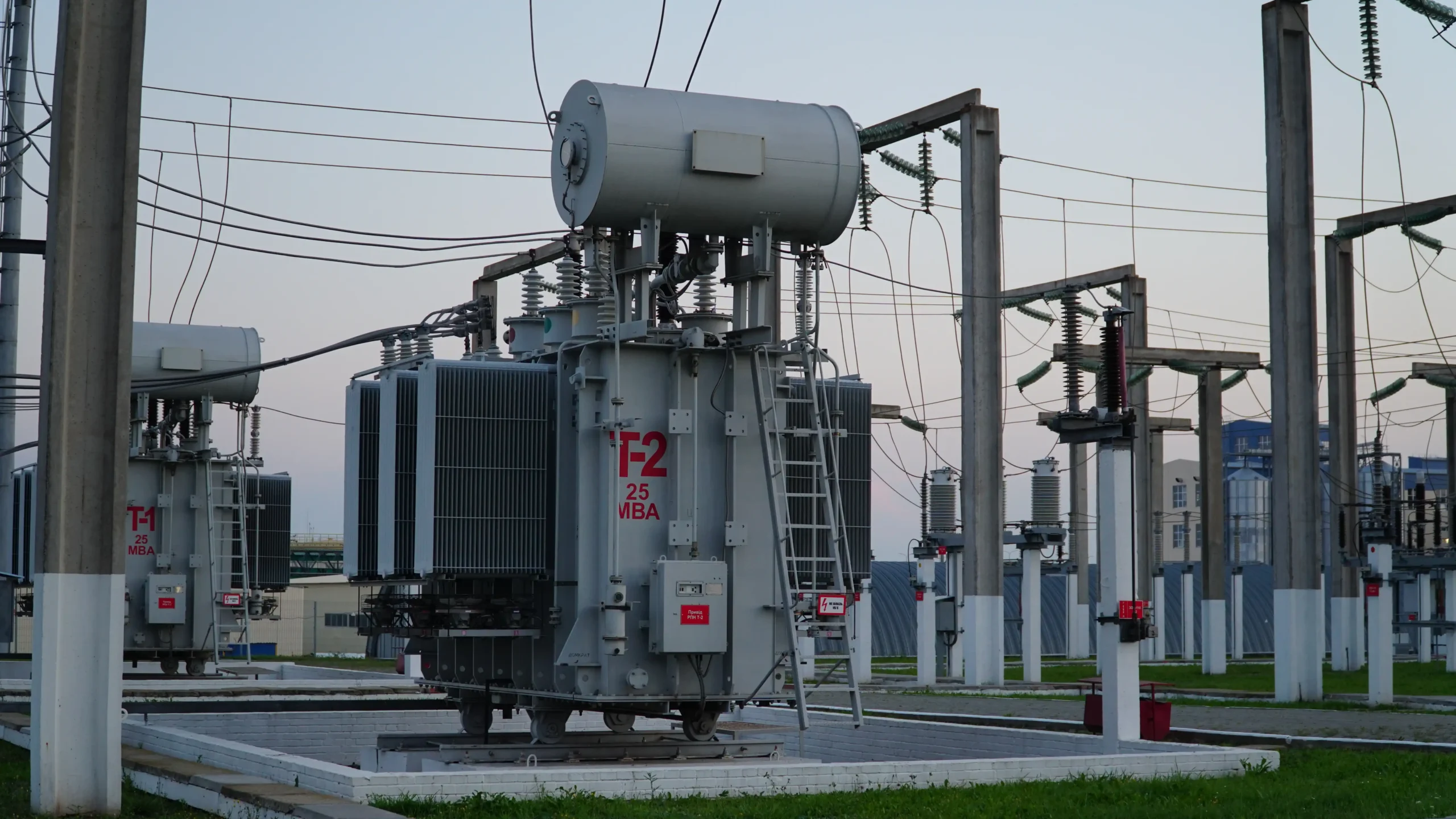
Power transformers are an essential component of the electrical grid system in substations. This enables in effective distribution and transmission of electrical power over extended distances. Rapid industrial growth in Japan, China, India, and South Korea is accelerating the adoption of partial discharge monitoring solutions. Because partial discharge is a leading cause of transformer failure, utilities use continuous monitoring to detect insulation issues early, improve safety, and strengthen grid reliability.
Why Partial Discharge Monitoring in Transformers?
Partial Discharge (PD) is a localized dielectric breakdown within a transformer insulation system. This can lead to eventual failure if undetected. Identifying signs of Partial discharge enables in mitigating the problem before it occurs. This can be done with advanced Partial Discharge monitoring solutions. Partial discharge monitoring detects small changes in activity at an early stage. It also correlates PD activity with switching events, thermal overloads, and voltage fluctuations to help locate the source and assess risk. It serves as being a good indicator to the insulation health on the short or medium term.
Advanced and real-time partial discharge monitoring supports condition-based maintenance strategies in the field. It also supports quality assurance testing and helps organizations meet Factory Acceptance Testing (FAT) and Site Acceptance Testing (SAT) requirements.
Online monitoring enables real-time fault detection, eliminating the need to shut down the transformer, unlike traditional offline testing methods.
- Operational Efficiency: Allows real-time insights into grid asset condition monitoring, reducing unexpected downtimes.
- Cost Optimization: Early detection of partial discharges reduces the need for costly transformer repairs and replacements.
- Safety Compliance: Enhances worker and infrastructure safety by preventing catastrophic failures.
- Data-driven Asset Management: Facilitates digital grid initiatives through integration with SCADA and predictive analytics solutions.
Strategic Importance in the Global Energy Economy
Industries such as OEMs, data centres, and refineries rely on a continuous power supply. In a single blackout, these industries can lose hundreds to million dollars per day. To minimize and reduce aging transformer failure risk, a transformer monitoring system comes into the picture. It involves continuous, real-time monitoring of various parameters such as oil level, temperature, partial discharge and others.
The global transformer monitoring market is witnessing rapid growth, driven by several converging factors. The integration of renewable energy sources increases grid complexity and requires continuous transformer health diagnostics. Countries across Asia-Pacific, Africa, and other developing regions are investing heavily in high-voltage transmission projects. These investments are increasing demand for advanced grid asset condition monitoring systems. Regulatory mandates for preventive maintenance, government initiatives, and offering public funding and policy incentives to accelerate grid digitalization. Additionally, market trends indicate a shift towards hybrid monitoring models. These often combine offline and online diagnostics, as well as an expansion in monitoring scope from EHV/HV to MV/LV distribution transformers.
Challenges and Restraints
Power transformer partial discharge monitoring helps utilities detect insulation problems before they lead to failure. However, several challenges continue to limit its widespread adoption.
- High initial investment: Advanced Partial Discharge monitoring systems are integrated with smart technologies, including IoT sensors and cloud analytics, which increase overall production cost for small-scale utilities or operators.
- Retrofitting Complexity and downtime risks: Installation of Partial Discharge monitoring systems with existing infrastructure is very complex process. The retrofitting of older technologies with the advanced Partial Discharge monitoring systems requires major downtime and CAPEX.
- Lack of Standardization across vendors: Inconsistent protocols and data formats hinder seamless data exchange and the scalability of Partial Discharge monitoring solutions.
- Skill shortages: Many utilities and end users require Partial Discharge data specialized expertise, which is lacking in-house, which can reduce the effectiveness of even advanced monitoring systems.
- Cybersecurity risks: The increasing use of cloud platforms and IoT devices has led to data security becoming a growing concern. The growing use of cloud platforms and IoT devices increases cybersecurity risks. Without strong cybersecurity frameworks, many utilities hesitate to adopt remote monitoring solutions on a large scale.
Trends and Opportunities in Partial Discharge Monitoring for Utilities
The power transformer partial discharge monitoring market is evolving at a fast pace with a combination of technological advancements, infrastructure growth, and modernization of utilities. The most important trends and opportunities are:
- AI-Powered Predictive Analytics
Artificial Intelligence and machine learning-based advanced analytics are facilitating more intelligent interpretation of PD data. These platforms assist in predicting faults, optimizing maintenance, and enabling real-time decision making.
- Edge Computing for Real-Time Response
Edge computing processes data directly at the transformer. This reduces latency and speeds up fault detection, especially for remote and mission-critical assets.
- Integration with IoT and Cloud Platforms
Cloud-connected IoT sensors enable real-time monitoring of transformer PD activity. They reduce manual inspections and support condition-based maintenance.
- Infrastructure and Grid Investment Surge
Global infrastructure investment continues to grow. Combined with rising investment in smart infrastructure, this trend is increasing demand for scalable transformer health monitoring systems.
- Smart Grid and Metering Growth
Nations such as China, Japan, the U.S and the EU are also spending a lot on smart grids and advanced metering. Smart meter investments alone were USD 22 billion in 2022, which is driving grid modernization and wider use of PD monitoring.
- OEMs Partnerships and Integrated Diagnostics
Transformer vendors are now partnering with monitoring technology suppliers to integrate PD diagnostics directly into new transformers, simplifying deployment and reducing retrofit issues.
These trends represent the increasing strategic value of real-time partial discharge monitoring for power transformers, which allows utilities to enhance grid reliability, minimize failure risks, and facilitate long-term digital transformation.
Strengthen your Grid Reliability for the Future
Power Transformer Partial Discharge Monitoring is no longer optional for ensuring asset reliability, operational safety, and long-term grid resilience.
By adopting real-time partial discharge monitoring for power transformers, utilities can anticipate insulation failure and lower maintenance costs. The technology also supports grid asset condition monitoring strategies that align with the digital energy transition. Key parameters such as pulse magnitude, pulse repetition rate, discharge inception voltage (DIV), and PD location provide insight into insulation health. They also help teams understand fault progression.
With this transformation, Rugged Monitoring provides innovative solutions to meet today’s utility needs. From online partial discharge monitoring systems to cloud-ready platforms, Rugged Monitoring offers Intelligent IoT sensors, advanced edge devices, and an Enterprise APM Suite- RM EYE with predictive analytics.
Beyond core monitoring, Rugged Monitoring integrates advanced technologies that elevate utility operations:
- Self-Calibrating Sensors – Reduce human intervention and minimize system drift in real-time conditions.
- Digital Twins – Enable simulation of fault scenarios and optimization of maintenance planning.
- Integrated Real-Time Alerts – Seamlessly connect with CMMS systems for faster, automated response workflows.
As the worldwide demand for power resilience grows, Rugged Monitoring continues to empower grid operators with technologies that enable safer, smarter, and more sustainable energy systems.
FAQs
- What is partial discharge in a power transformer?
Partial discharge is a localized electrical discharge that only partially bridges the insulation between conductors. In transformers, partial discharge activity can occur at weak points within or around the insulation system. - Why is partial discharge monitoring important for utilities?
Partial discharge monitoring helps utilities identify and trend partial discharge activity associated with developing insulation problems. This provides earlier visibility into changing insulation condition and supports timely investigation and maintenance decisions. - What can partial discharge monitoring indicate in a transformer?
Partial discharge monitoring can indicate changes in insulation activity associated with conditions such as voids, insulation defects, contamination, surface discharge, and other developing dielectric problems. Trending partial discharge activity over time can also help teams assess whether insulation condition is changing. - Why should utilities monitor partial discharge in power transformers continuously?
Continuous partial discharge monitoring allows utilities to track changes in partial discharge activity while transformers remain in service. This can provide earlier warning of developing insulation problems and give teams more time to investigate, plan maintenance, or perform additional diagnostics before the condition becomes more serious.